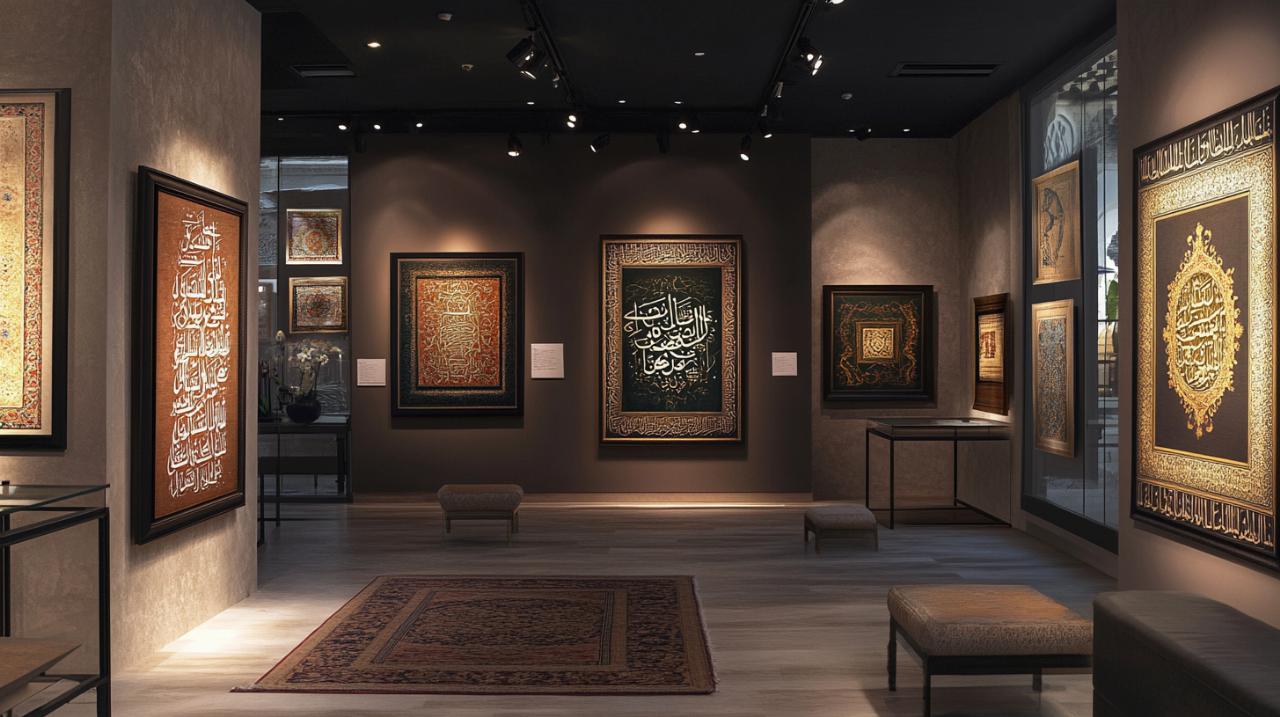
The world of Arabic calligraphy has witnessed a remarkable surge in recent years, with enthusiasts and artists alike seeking the perfect medium to express this timeless art form. As 2025 unfolds, the market presents an impressive array of calligraphy boards, each designed to cater to different skill levels, artistic preferences, and aesthetic goals. Whether you are drawn to the heritage of hand-crafted surfaces or the convenience of contemporary innovations, understanding the distinctions between traditional and modern boards is essential for achieving optimal painting results. The growing interest in Islamic paintings and wall art reflects a broader appreciation for spiritual expression through visual artistry, making the choice of board a crucial step in your creative journey.
Traditional arabic calligraphy boards: heritage meets craftsmanship
Authentic Materials and Classic Textures for Time-Honoured Techniques
Traditional Arabic calligraphy boards have long been cherished for their ability to connect artists with centuries-old practices. These surfaces are typically crafted from materials such as wood, high-quality canvas, and specially prepared paper, each offering unique textures that influence the flow and character of ink. Wood boards, often meticulously sanded and treated, provide a firm and stable base that allows for precise strokes, making them ideal for mastering classical calligraphy styles. The natural grain of wood can add a subtle, organic quality to finished pieces, enhancing the visual depth and authenticity of the artwork. Canvas boards, on the other hand, offer a slightly yielding surface that absorbs ink differently, creating a soft, tactile finish that many traditional artists favour for its richness and warmth. Prepared paper boards, often made from cotton or rag paper, are prized for their ability to hold intricate details and delicate lines, essential for reproducing the flowing elegance of classical script revival. These materials are not merely functional; they embody the heritage and craftsmanship that define traditional Islamic art, where symmetry and rich colours are paramount.
Evaluating Wood, Canvas, and Paper Options for Traditional Calligraphy Practice
When selecting a traditional board, it is important to consider how each material interacts with your chosen inks and brushes. Wooden boards are durable and can withstand repeated use, making them a practical choice for workshops and courses where students practice extensively. Their solid surface ensures that every stroke is deliberate, encouraging precision and control. Canvas boards, while less rigid, offer versatility and are particularly well-suited for larger compositions or pieces intended for display as home decor. The slight give of canvas can create a dynamic interplay between the artist and the medium, resulting in artworks with a distinctive character. Paper boards, though more delicate, are indispensable for those seeking to replicate the finesse of historical manuscripts and Quranic verses. The choice of traditional board ultimately depends on your artistic goals and the specific calligraphy styles you wish to explore. For those attending courses in Paris or similar cultural hubs, experimenting with different traditional materials can deepen your understanding of how heritage techniques influence modern practice. Traditional boards also complement environments where spiritual meaning and aesthetic refinement are valued, making them a popular choice for hotels and interiors that celebrate Islamic calligraphy.
Modern calligraphy boards: innovation and contemporary design
Digital Surfaces and Reusable Boards for Today's Artists
The advent of modern technology has revolutionised the way artists approach Arabic calligraphy, introducing boards that combine innovation with practicality. Digital surfaces, such as graphic tablets and electronic drawing boards, allow artists to experiment with geometric designs and minimalist Islamic art without the need for physical ink or paper. These tools offer unparalleled flexibility, enabling users to adjust stroke weight, colour, and composition with ease, making them ideal for contemporary Islamic art that emphasises simplicity and modern calligraphy. Reusable boards, often constructed from laminated or coated materials, provide an eco-friendly alternative to traditional surfaces. Artists can practise repeatedly, wiping away their work and starting afresh without wasting resources. This approach is particularly appealing to those enrolled in workshops or courses where continuous practice is essential for skill development. The versatility of modern boards extends beyond the studio; they are portable and lightweight, making them convenient for artists who travel or wish to create in diverse settings. The integration of neutral palettes and contemporary design principles into these boards reflects broader trends in the UK market, where minimalist Islamic art has gained significant traction.
Comparing Size, Colour Variations, and Portability in Modern Boards
Modern calligraphy boards are available in a wide range of sizes, from compact portable models suitable for on-the-go practice to larger formats designed for ambitious projects and detailed artworks. Smaller boards are perfect for quick sketches and initial drafts, while expansive surfaces accommodate intricate patterns and multi-panel compositions that can serve as striking home decor or canvas prints. Colour variations also play a significant role in the appeal of modern boards. Many feature neutral or customisable backgrounds that enhance the visibility of black or coloured inks, ensuring that every detail of your calligraphy stands out. Some boards even offer adjustable backlighting or contrast settings, which are particularly beneficial when working in different lighting conditions or when creating pieces for specific environments such as hotels or interior spaces. Portability is another key advantage of modern boards, as they are designed with the needs of contemporary artists in mind. Lightweight materials and compact designs make it easy to transport your board to workshops, courses, or outdoor settings, allowing you to practise and create wherever inspiration strikes. The combination of size flexibility, colour options, and portability makes modern boards an attractive choice for artists seeking to blend traditional techniques with contemporary innovation.
Selecting the Ideal Board: Practical Considerations and Where to Purchase
Workshops, Courses in Paris, and Expert Recommendations for Your Choice
Choosing the right calligraphy board involves more than simply picking a surface; it requires thoughtful consideration of your skill level, artistic objectives, and the environments in which you plan to work. Participating in workshops and courses can provide invaluable insights, as instructors often recommend specific boards based on the techniques being taught. Courses in Paris, renowned for their emphasis on both traditional and modern Islamic art, frequently incorporate hands-on sessions where students can experiment with different materials and surfaces. These immersive experiences allow you to assess how various boards respond to different calligraphy styles, from classical script revival to contemporary geometric designs. Expert recommendations typically highlight the importance of matching your board to your intended use. For instance, if you are creating artworks for display during Ramadan or Eid, a board that supports detailed canvas prints or rich, vibrant colours may be most appropriate. Conversely, if your focus is on daily practice and skill refinement, a reusable modern board might offer the best value and convenience. Consulting with experienced calligraphers and instructors can help you navigate the diverse options available and select a board that aligns with your creative vision and practical needs.
Finding Quality Boards on Amazon and Matching Artworks to Hotels and Interiors
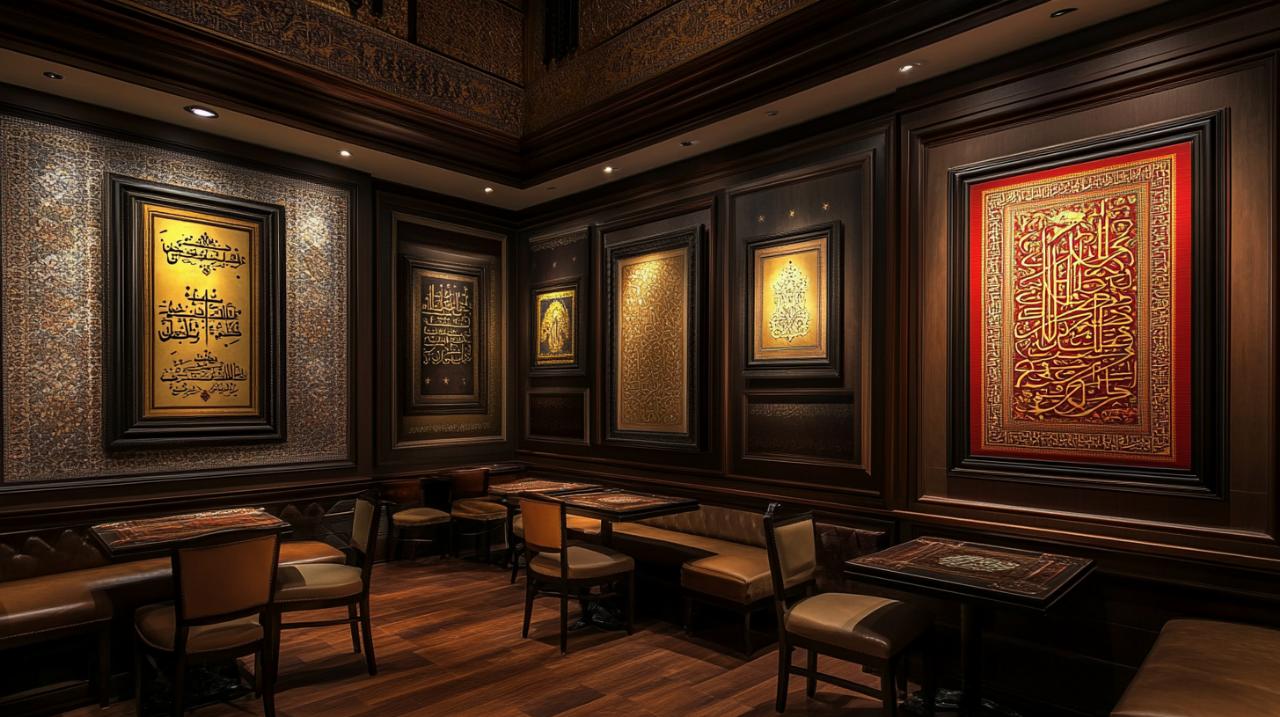
The convenience of online shopping has made it easier than ever to source high-quality calligraphy boards, with platforms like Amazon offering a broad selection of both traditional and modern options. When browsing, it is helpful to consider customer reviews and ratings, as these can provide insights into the performance and durability of different boards. Many sellers on Amazon also offer bundles that include boards alongside complementary materials such as inks, brushes, and instructional guides, which can be particularly useful for beginners or those looking to expand their practice. In addition to Amazon, suppliers such as Alibaba cater to businesses and artists seeking bulk orders or specialised materials, including luxury modern Islamic wall art and hand-painted calligraphy canvases. These platforms often feature competitive pricing and a wide variety of materials, from canvas and metal to wood and porcelain, allowing you to find boards that suit both your artistic preferences and budget. Once you have selected your board and created your artwork, consider how it will complement different environments. Artworks featuring Quranic verses, minimalist Islamic art, or intricate geometric designs are increasingly popular in hotels and interior settings, where they add a touch of spiritual meaning and aesthetic elegance. Thoughtful placement and matching your palette to existing decor can enhance the impact of your calligraphy, transforming a simple piece into a focal point that resonates with viewers. The versatility of modern Islamic art, with its emphasis on simplicity and neutral palettes, makes it particularly well-suited to contemporary interiors, while traditional pieces with their rich colours and symmetry bring a sense of heritage and refinement to any space.
