Enhance Your Home with Sheer Curtains in Dubai for a Soft, Sunlit Glow

In the heart of the United Arab Emirates, where contemporary architecture meets time-honoured design sensibilities, homeowners are increasingly seeking ways to blend natural beauty with sophisticated style. The use of delicate fabric treatments has become a hallmark of elegant interior design, transforming rooms into sanctuaries that celebrate both openness and refined taste. These window dressings offer a unique combination of gentle illumination and understated charm, making them an ideal choice for those looking to create a welcoming and serene environment within their living quarters.

The Transformative Power of Sheer Curtains in Dubai Interiors

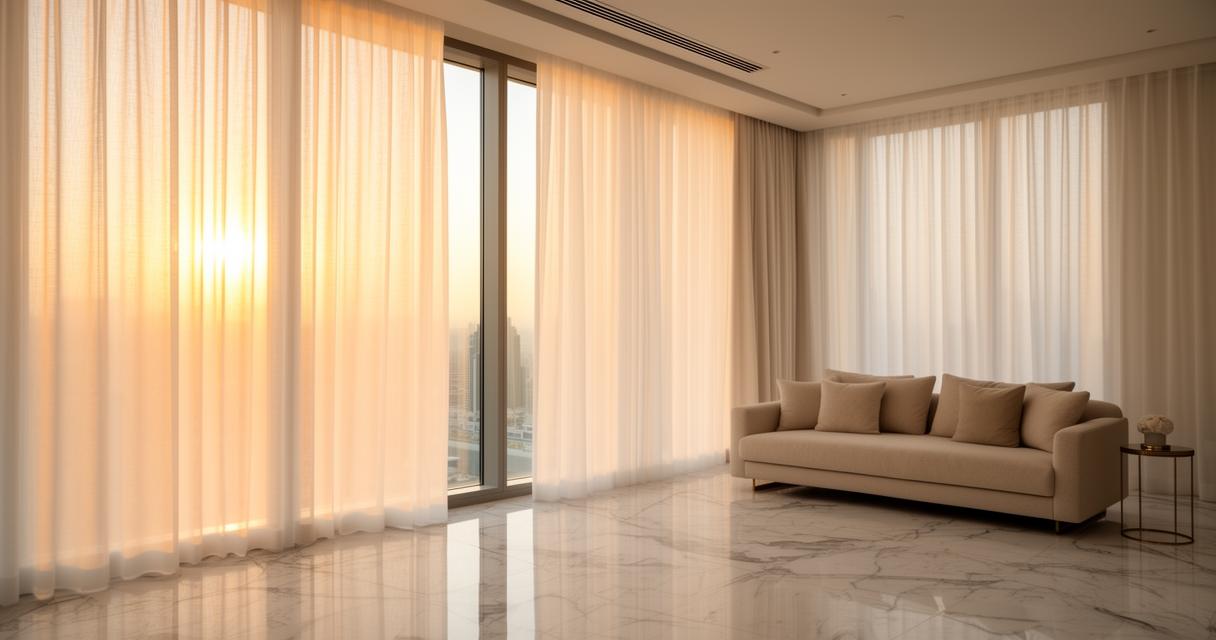
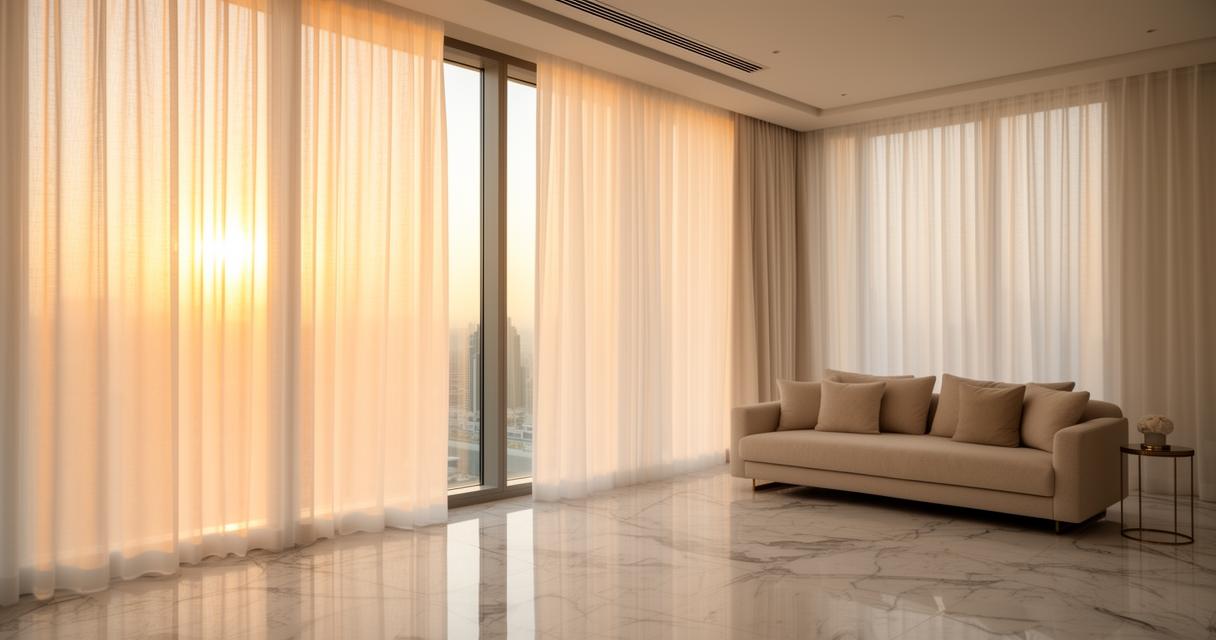
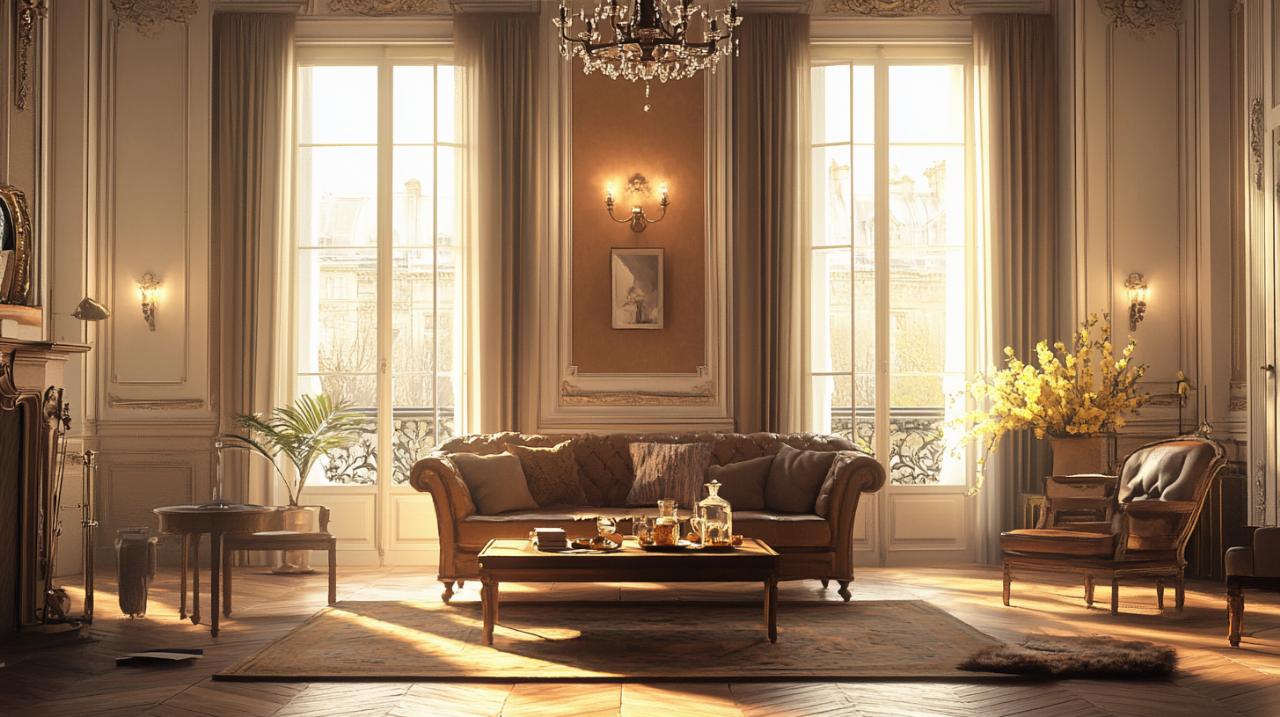
The ability of fine, translucent fabrics to redefine a space cannot be overstated. In a city renowned for its striking skyline and abundant sunshine, the interplay of light and material becomes a central consideration for interior designers and residents alike. These window coverings possess a remarkable quality that allows them to soften the intensity of the sun's rays whilst simultaneously inviting a warm, diffused radiance into the home. The gentle filtering of daylight creates an atmosphere that feels both spacious and intimate, a balance that is particularly sought after in modern residential settings. By incorporating sheer curtains dubai into your décor scheme, you introduce an element of fluidity that can transform even the most austere of rooms into a haven of tranquillity and grace.

Creating an Airy and Luminous Atmosphere in Your Living Spaces

One of the most compelling reasons to opt for these delicate fabrics is their unparalleled ability to enhance the sense of openness within a room. Unlike heavier drapery that can obscure views and create a more enclosed feeling, lightweight materials allow the eye to travel freely, making smaller spaces appear larger and more inviting. The gentle movement of fabric in response to a breeze or the adjustments of air conditioning adds a dynamic quality to the interior, infusing the space with a sense of life and vitality. This subtlety is especially appreciated in the context of Dubai's luxurious residences, where the architectural design often emphasises clean lines and expansive vistas. The interplay between the soft folds of the curtains and the carefully curated furnishings creates a harmonious environment that feels effortlessly sophisticated. Furthermore, the quality of light that permeates through these fabrics is notably different from that which enters through bare windows or heavy drapes. The diffusion softens harsh glare, reducing eye strain and creating a more comfortable ambiance for reading, relaxation, or entertaining guests. This luminous quality is not merely a matter of aesthetics; it contributes to an overall sense of wellbeing and contentment, making every moment spent indoors a pleasure.

Balancing Privacy and Natural Light in Modern Dubai Homes

Privacy remains a paramount concern for residents, particularly in densely populated urban areas where buildings stand in close proximity to one another. However, the desire for seclusion need not come at the expense of natural illumination. Sheer fabrics offer an ingenious solution to this age-old dilemma by obscuring direct sightlines from the outside whilst still permitting an abundance of daylight to flood the interior. During the daytime, these window treatments provide a discreet veil that maintains a sense of separation from the external world without plunging the room into darkness. As evening falls and interior lighting is activated, the fabric continues to perform its dual function, ensuring that the occupants can enjoy their private moments without feeling exposed. This balance is particularly valued in contemporary design, where open-plan living and large windows are common features. The strategic use of such treatments allows homeowners to maximise the benefits of their architectural investments, enjoying sweeping views and generous natural light whilst retaining a comfortable degree of intimacy. Moreover, the versatility of these fabrics means they can be layered with heavier drapes or blinds for additional control over light levels and privacy, offering a bespoke solution that adapts to the changing needs of the household throughout the day and night.

Selecting the Perfect Sheer Curtains to Complement Your Dubai Home

Choosing the right window dressings involves a careful consideration of both practical and aesthetic factors. The selection process begins with an assessment of the room's function, the quality of light it receives, and the overall design theme that guides the interior. In a region where the climate is characterised by high temperatures and intense sunlight, the choice of material becomes especially significant. Lightweight, breathable fabrics not only contribute to a cooler indoor environment but also withstand the rigours of daily exposure to ultraviolet rays. The colour palette is another critical element, as it influences the mood and perceived spaciousness of the room. Soft, neutral tones are perennially popular for their ability to enhance the sense of calm and sophistication, whilst subtle patterns or textures can add visual interest without overwhelming the space. The interaction between the curtains and other elements within the room, such as upholstery, wall finishes, and decorative accessories, should be harmonious, creating a cohesive aesthetic that reflects the homeowner's personal style and the architectural character of the property.

Fabric Choices and Textures for Dubai's Climate and Aesthetic

The selection of fabric is fundamental to achieving the desired effect in terms of both appearance and functionality. Natural fibres such as linen and cotton blends are highly favoured for their breathability and tactile appeal, offering a relaxed yet refined look that suits a variety of interior styles. These materials age gracefully, developing a soft patina that adds to their charm over time. Synthetic options, including polyester and blends incorporating advanced textile technologies, provide enhanced durability and resistance to fading, making them a practical choice for homes that receive prolonged sun exposure. Texture plays a pivotal role in determining the overall impact of the curtains. A subtle weave can introduce a gentle pattern that catches the light in interesting ways, whilst a smooth, unadorned finish offers a more minimalist aesthetic that complements contemporary design schemes. The weight of the fabric also merits consideration, as lighter materials will billow gracefully in the breeze, whilst slightly heavier options provide a more structured drape. In the context of Dubai's architectural diversity, from sleek modern apartments to more traditionally inspired villas, the choice of fabric and texture allows for a bespoke approach that honours the unique character of each home.

Styling Tips for Achieving Timeless Elegance with Sheer Window Treatments

The manner in which these delicate fabrics are presented within a room can significantly influence their effectiveness and visual appeal. Installation height is a crucial factor; mounting the curtain rail closer to the ceiling rather than immediately above the window frame creates an illusion of greater height and grandeur, enhancing the room's proportions. Allowing the curtains to extend slightly beyond the window on either side ensures that the fabric drapes elegantly and provides complete coverage when drawn. When it comes to colour coordination, opting for shades that echo or complement the existing palette within the room fosters a sense of unity and flow. White and off-white tones remain classic choices, offering versatility and an enduring sense of freshness that suits both traditional and modern interiors. However, softer hues such as ivory, champagne, or even pale grey can introduce subtle warmth or coolness, depending on the desired atmosphere. Layering is another technique that can elevate the overall look; pairing sheer curtains with heavier drapes or Roman blinds allows for flexible light control whilst adding depth and richness to the window treatment. This approach not only enhances functionality but also introduces a sophisticated interplay of textures and materials that reflects a considered design sensibility. Finally, attention to detail in terms of accessories, such as elegant curtain rods and tasteful tiebacks, can further refine the presentation, ensuring that every element contributes to an impression of understated luxury and timeless elegance.

Toilet Furniture: Comparison and Reviews of the Best Toilets in 2025 – Which High-Tech Loo Is Worth Your Money?

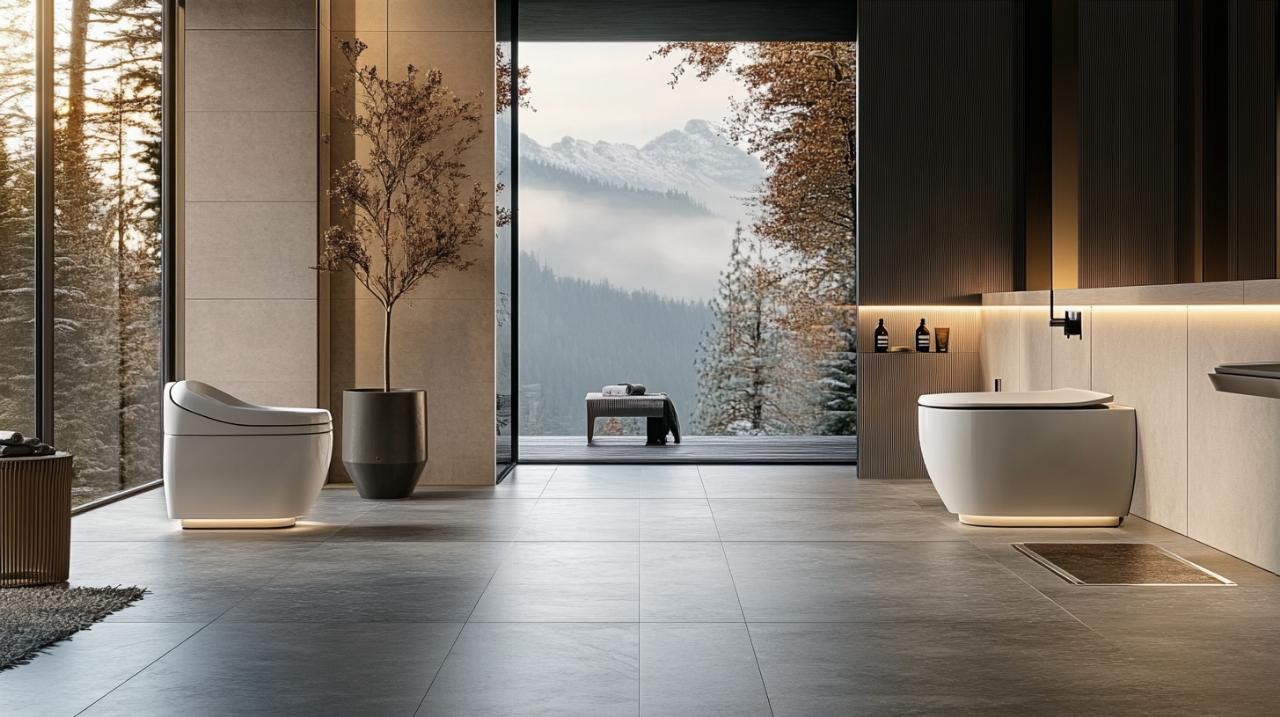
The humble toilet has undergone quite a transformation in recent years, evolving from a simple necessity into a sophisticated piece of bathroom furniture that combines style, comfort, and cutting-edge technology. As we move through 2025, the market offers an impressive array of options ranging from traditional designs to high-tech marvels equipped with bidet functions, heated seats, and even air purifiers. Choosing the right lavatory for your home now involves considering factors that extend well beyond basic functionality, including energy efficiency, hygiene features, and long-term value.

Understanding Modern Toilet Furniture: What Makes a Premium Loo Stand Out in 2025

The Evolution of Toilet Technology: From Basic Conveniences to Smart Bathroom Solutions

The journey from conventional toilets to today's smart bathroom solutions represents one of the most remarkable transformations in home fixtures. Where once a toilet was simply expected to flush reliably, modern consumers now seek devices that offer personalised cleansing experiences, connectivity options, and even customisable settings that can be adjusted via smartphone applications. This shift has been driven by increasing consumer demand for enhanced hygiene and comfort, alongside growing awareness of environmental concerns such as water conservation. Manufacturers have responded by developing innovative technologies that address these needs whilst simultaneously reducing the environmental footprint of our daily routines.

Smart toilets now incorporate features that would have seemed like science fiction just a decade ago. Hands-free operation has become increasingly common, allowing users to maintain superior hygiene standards without touching potentially contaminated surfaces. Self-cleaning capabilities mean that the laborious task of scrubbing the bowl has become largely obsolete, with automated systems handling this chore on your behalf. Some models even feature integrated air purifiers that actively work to eliminate unpleasant odours, transforming the bathroom experience entirely. These advances reflect a broader trend in bathroom design towards wellness features that prioritise both physical comfort and peace of mind.

Key features to consider when choosing your perfect lavatory

When selecting toilet furniture for your home, several crucial factors warrant careful consideration. The shape of the unit itself can significantly impact both the aesthetic appeal and practical functionality within your bathroom space. Installation requirements represent another vital consideration, as some premium models necessitate professional fitting whilst others can be installed by competent DIY enthusiasts. Water consumption, typically measured in gallons per flush, affects both your environmental impact and ongoing utility costs. The most conscientious buyers now prioritise models that achieve effective waste removal whilst minimising water usage.

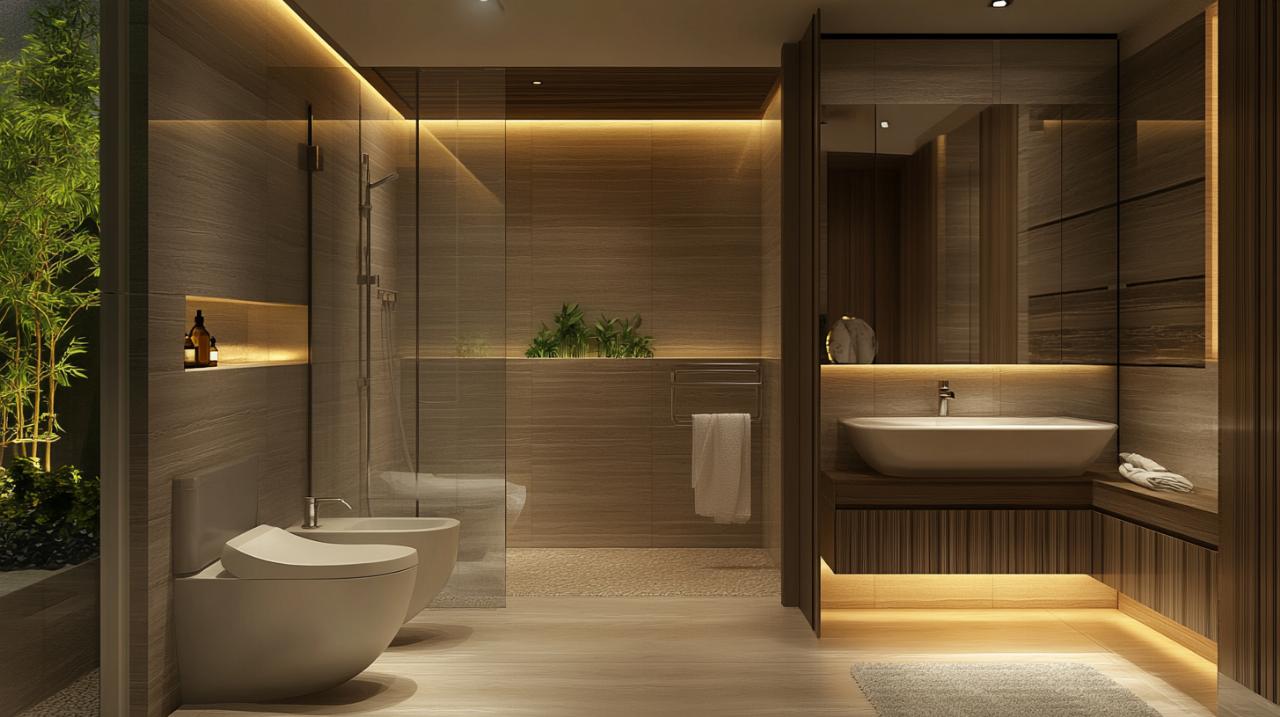
Adjustable bidet functions have emerged as one of the most sought-after features in contemporary toilet design, offering users a level of personalised cleanliness that traditional tissue simply cannot match. These systems allow for precise control over water temperature, pressure, and spray pattern, ensuring a comfortable and thorough cleansing experience tailored to individual preferences. Beyond the immediate comfort benefits, bidet functionality can contribute to improved hygiene whilst potentially reducing household expenditure on toilet paper. The integration of such features demonstrates how modern toilet furniture increasingly blurs the line between practical necessity and luxury amenity, creating bathroom environments that genuinely enhance daily life.

Comprehensive Reviews of Top-Rated Toilet Models Available in 2025

High-tech smart toilets: bidet functions, heated seats and advanced hygiene features

The Kohler Karing 2.0 Intelligent Skirted Toilet stands as the benchmark against which other smart toilets are measured, commanding a price of approximately two thousand one hundred and fifty-eight pounds. This premium model combines sophisticated technology with elegant design, offering dimensions of 16.69 inches in width, 26.5 inches in depth, and 21 inches in height. Its remarkable efficiency is evident in its water consumption of just 1.08 gallons per flush, making it an excellent choice for eco-conscious households. Professional installation is required for this model, ensuring that all its advanced features function optimally from the outset.

For those seeking exceptional value without compromising on smart features, the ANZZI ENVO Smart Bidet Toilet presents a compelling option. Measuring 16 inches wide, 25.7 inches deep, and 18.8 inches high, this model uses one gallon per flush and notably does not require professional installation, making it accessible to a broader range of consumers. The Homary Self-Clean Smart Toilet, available for six hundred and sixty pounds, offers perhaps the most impressive feature set relative to its price point. With dimensions of 18.9 inches in width, 27.2 inches in depth, and 15.9 inches in height, it uses 1.32 gallons per flush and can be installed without professional assistance, representing an outstanding balance of capability and affordability.

The TOTO Washlet Toilet deserves particular attention as the best-tested option currently available, despite its substantial price of three thousand two hundred and eighty-seven pounds, currently discounted by thirty-two percent on certain platforms. This Japanese-engineered marvel measures 15 inches wide, 28.75 inches deep, and 22.5 inches high, consuming between one and 1.2 gallons per flush. TOTO has established itself as the benchmark for luxury toilet experiences, with the Washlet line focusing intensively on comfort and hygiene through meticulously refined engineering. Professional assembly is required, but the investment delivers a level of refinement that few competitors can match.

Traditional vs contemporary designs: which style suits your bathroom best

The aesthetic dimension of toilet selection extends beyond mere appearance to encompass fundamental questions about how your bathroom functions as a cohesive space. Traditional designs often feature familiar silhouettes and proven technologies that have served households reliably for generations. These conventional options typically prioritise straightforward functionality and ease of maintenance, appealing to those who value dependability and timeless styling. Contemporary designs, by contrast, embrace minimalist aesthetics, innovative materials, and integrated technology that can transform the bathroom into a statement of modern living.

Brands such as Ideal Standard have built their reputations on delivering reliable and practical bathroom solutions that work particularly well for families. Their approach emphasises durability and value, with recent additions including smart hygiene options like the i.life E shower toilet that introduce advanced features without abandoning the practical sensibilities that define the brand. Villeroy and Boch represent the design-led end of the spectrum, offering elegant ceramics that elevate bathroom aesthetics whilst incorporating hygiene and comfort upgrades such as their ViClean shower toilet and DirectFlush technology. These brands demonstrate that the choice between traditional and contemporary need not be binary; many manufacturers now offer ranges that bridge both aesthetics, allowing consumers to select based on their specific needs and preferences rather than being forced into a single stylistic camp.

Value for Money: Selecting the Right Toilet Furniture for Your Budget and Needs

Price comparison guide: premium toilets vs budget-friendly options

The spectrum of toilet pricing in 2025 ranges from remarkably affordable options to premium models that command prices exceeding three thousand pounds. Understanding what you receive at different price points helps ensure that your investment aligns with both your budget and your expectations. At the lower end of the smart toilet market, models such as the VOVO Smart Bidet Toilet, priced at nine hundred and ninety pounds, deliver eco-conscious performance with dimensions of 15.5 inches wide, 25.9 inches deep, and 21.4 inches high, using just 1.12 gallons per flush without requiring professional installation. This represents an accessible entry point into smart toilet technology for households seeking enhanced hygiene without breaking the bank.

The Horow Bidet Toilet, available for one thousand one hundred and fifty-nine pounds, offers impressive self-sufficiency with dimensions of 27 inches wide, 16 inches deep, and 18 inches high, consuming 1.26 gallons per flush. This model exemplifies the mid-range segment where meaningful technology enhancements become available without the premium pricing of flagship models. The Kohler Innate Smart Toilet, whilst commanding a higher price of two thousand nine hundred and ninety-nine pounds, justifies its cost through ease of assembly and comprehensive features, measuring 17 inches wide, 29.1 inches deep, and 21 inches high, with flush volumes of either one or 1.28 gallons. Consulting with plumbing experts when considering these investments can prove invaluable, as professionals can offer insights into installation complexity, ongoing maintenance requirements, and compatibility with existing bathroom infrastructure.

Long-term investment considerations: water efficiency and maintenance costs

The initial purchase price of toilet furniture represents only one component of its total cost of ownership. Water efficiency directly impacts your utility bills over the lifespan of the fixture, making models that achieve effective waste removal with minimal water consumption particularly attractive from a financial perspective. The potential savings accumulate steadily over years of use, often offsetting higher initial costs for premium efficient models. Energy efficiency similarly affects running costs, particularly for smart toilets with heated seats, bidet functions, and electronic controls that draw electrical power.

Maintenance considerations extend beyond routine cleaning to encompass the longevity and repairability of complex electronic systems. Self-cleaning features and rimless designs, now promoted by manufacturers including Ideal Standard, Villeroy and Boch, and Geberit, significantly reduce the effort required to maintain hygienic conditions. Technologies such as DirectFlush and AquaClean represent meaningful advances in making toilet maintenance less burdensome. The convenience and hygiene benefits of smart toilets make them worth the investment for many households, particularly when factoring in potential long-term savings on cleaning products and water consumption. Companies such as Bathroom Supplies Online, operating in the UK for over twenty years, offer expert guidance on balancing these considerations, helping consumers identify models that deliver genuine value aligned with their specific circumstances and priorities. Whether you ultimately choose a traditional design from reliable manufacturers like Roca or invest in cutting-edge technology from TOTO, understanding these long-term factors ensures your toilet furniture serves you well for years to come.

Solid, Engineered, Laminate: Choose the Ideal Flooring! – Comparing Quality, Cost, and Durability for UK Homes

Choosing the right flooring for your home can feel overwhelming with so many options available on the market today. Whether you are renovating a single room or planning a complete overhaul of your property, understanding the differences between solid wood, engineered wood, and laminate flooring is essential. Each type offers distinct advantages and challenges, and the best choice will depend on your budget, lifestyle, and the specific demands of each room in your home. This guide will walk you through the key considerations to help you make an informed decision that balances quality, cost, and durability.

Understanding your flooring options: solid wood, engineered wood, and laminate

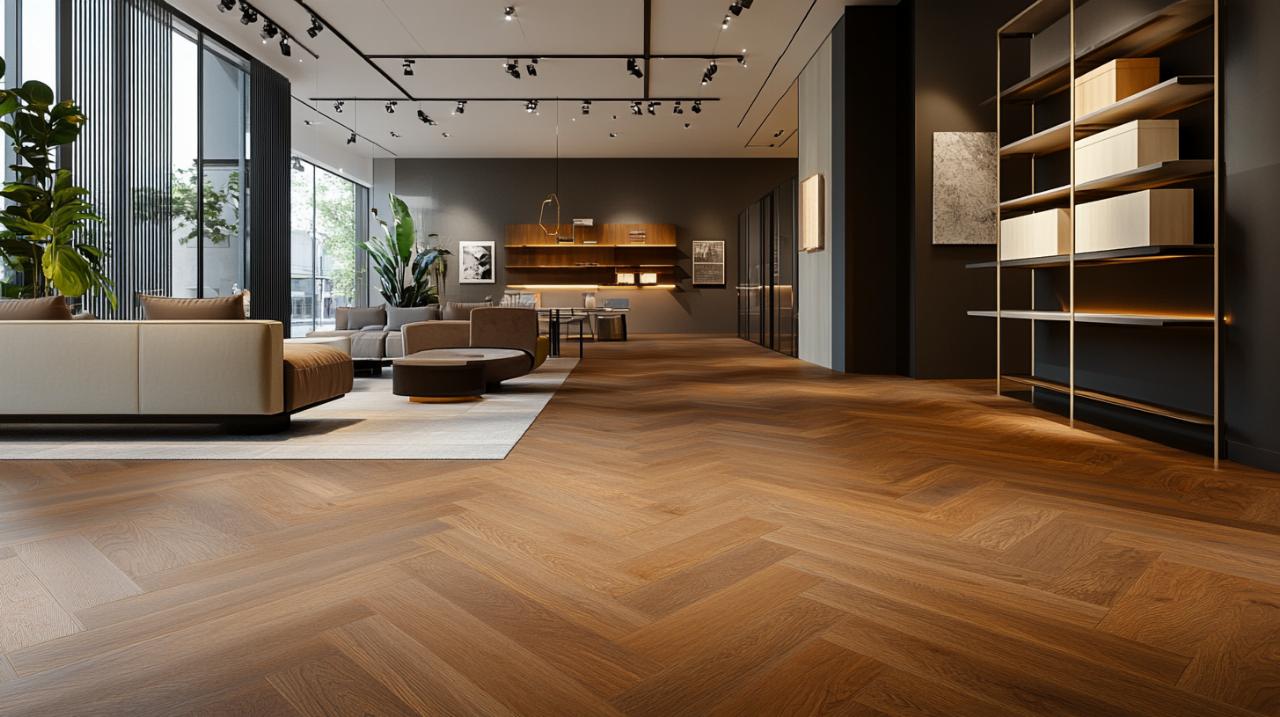
Navigating the world of flooring types requires a clear grasp of what each material offers. Solid wood, engineered wood, and laminate flooring each have unique characteristics that make them suitable for different applications. Solid wood flooring is crafted from a single piece of timber, offering a classic and timeless aesthetic that many homeowners adore. This type of flooring feels cooler underfoot during the summer months and warmer in winter, providing natural insulation. Its authentic appearance is unmatched, and it can significantly enhance the resale value of your home. However, solid wood is more expensive than other options and less stable, particularly in environments with fluctuating humidity levels. It can swell in damp conditions and may require more careful maintenance over time.

What makes solid wood flooring stand out

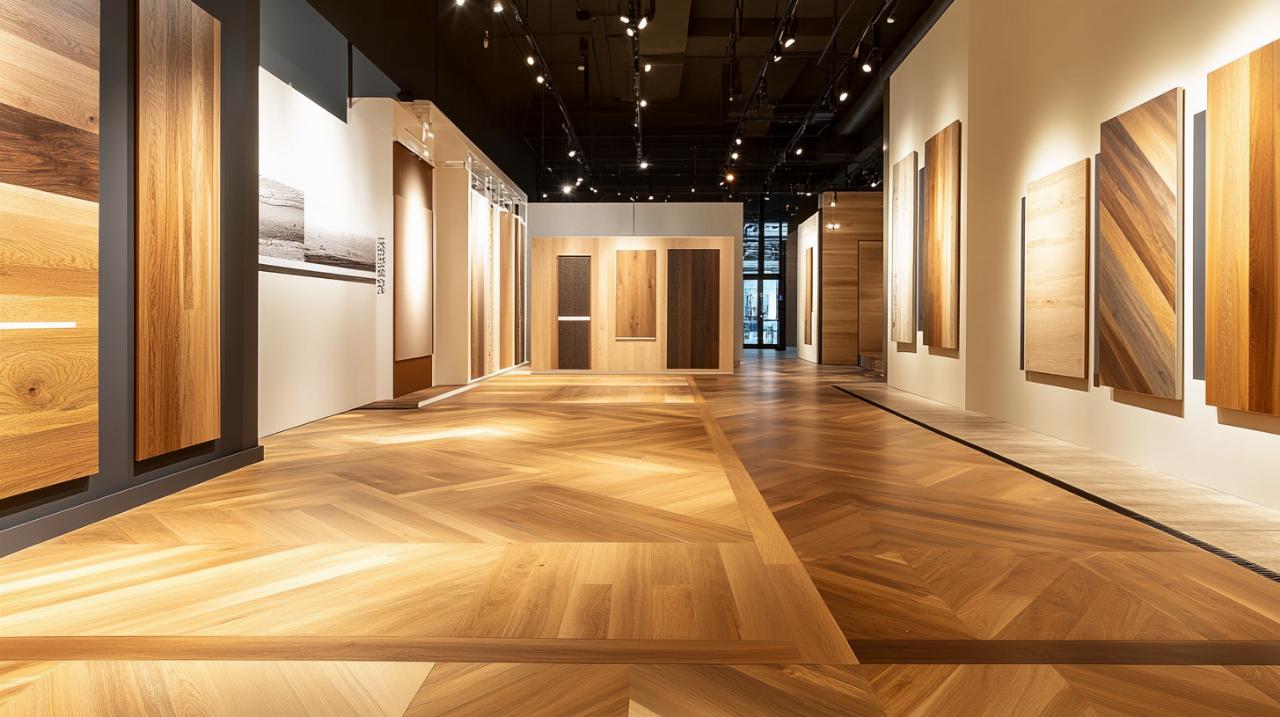
Solid wood flooring is prized for its genuine beauty and the sense of luxury it brings to a space. Each plank is cut from a single piece of hardwood, which means the grain and texture are entirely natural. This authenticity is something that cannot be replicated by synthetic alternatives. The material is also highly durable when properly cared for, and it can be sanded down and refinished multiple times throughout its lifespan, which can extend to several decades. The cost of solid wood flooring ranges from around fifteen to eighty-two pounds per square metre, making it a significant investment. Despite the higher price point, many homeowners find that the long-term value and aesthetic appeal justify the expense. This type of flooring is best suited to living rooms, dining rooms, and bedrooms where moisture levels are stable and the risk of water damage is minimal.

The Construction and Benefits of Engineered and Laminate Flooring

Engineered wood flooring offers a middle ground between solid wood and laminate. It consists of multiple layers of wood, with a top layer made from solid hardwood. This construction makes it more resistant to warping and better able to withstand temperature and humidity changes compared to solid wood. Engineered wood is also more affordable, with prices typically ranging from nineteen to one hundred and sixty pounds per square metre. It provides the authentic appearance of real wood while offering improved stability, making it a popular choice for many UK homes. Regular cleaning and maintenance are necessary, but with proper care, engineered wood can last anywhere from twenty to one hundred years. Some modern engineered wood products feature a click-lock system that simplifies installation, allowing for quicker and easier fitting without the need for glue.

Laminate flooring, on the other hand, is constructed from compressed materials such as high-density fibreboard, topped with a printed image that mimics the look of wood or stone. This makes laminate a highly cost-effective option, with prices starting from as low as eight pounds per square metre. Laminate is durable, scratch-resistant, and easy to clean, which makes it an excellent choice for households with children and pets. It can often be installed in a single day thanks to its click-fit design, and it works well with underfloor heating systems as long as the surface temperature does not exceed twenty-eight degrees Celsius. However, laminate does have some drawbacks. It does not feel as authentic as real wood, and once damaged, it cannot be sanded down or refinished. Instead, damaged boards must be replaced entirely. The lifespan of laminate flooring is typically shorter than that of engineered or solid wood, ranging from ten to twenty years.

Matching Flooring Types to Different Rooms in Your Home

Selecting the appropriate flooring for each room in your home is crucial to ensuring both functionality and aesthetic appeal. Different areas of your property have varying levels of foot traffic, moisture exposure, and temperature fluctuations, all of which influence the suitability of each flooring type. Understanding these factors will help you choose a material that not only looks good but also performs well over time.

Best Flooring Choices for High-Traffic Areas Like Kitchens and Hallways

Kitchens and hallways are among the busiest areas in any home, requiring flooring that can withstand constant use and occasional spills. Laminate flooring is an excellent choice for these high-traffic zones due to its durability and resistance to scratches and moisture. Its easy-to-clean surface makes it practical for kitchens where spills are common, though it is important to note that laminate is not fully waterproof and should be used with caution in areas prone to standing water. For added peace of mind, some manufacturers offer waterproof laminate options that are better suited to moisture-prone environments.

Engineered wood flooring is also a viable option for kitchens and hallways, particularly if you prefer the look of real wood. Opting for a lacquered finish rather than an oiled one will provide better water resistance, making it more suitable for areas where spills are likely. Engineered wood is hardwearing and can be sanded and refinished if it becomes scratched or worn over time. However, it is not as inherently scratch-resistant as laminate, so households with pets or young children may need to take extra care. Wood-effect tiles and luxury vinyl tiles are other alternatives that offer excellent moisture resistance and are easy to maintain, making them ideal for kitchens and hallways. These materials are particularly popular in UK homes due to their versatility and modern appearance.

Selecting Appropriate Flooring for Living Rooms and Bathrooms

Living rooms benefit greatly from the warmth and character that solid wood or engineered wood flooring can provide. These spaces are typically lower in moisture and see moderate foot traffic, making them ideal for showcasing the natural beauty of real wood. Engineered wood is often preferred over solid wood in living rooms because it offers similar aesthetics at a lower cost and with greater stability. It is less likely to warp or crack in response to minor temperature changes, and it can be installed over underfloor heating systems, provided the correct underlay is used.

Bathrooms present a unique challenge due to their high moisture levels and the risk of water damage. Solid wood and standard engineered wood should generally be avoided in bathrooms, as prolonged exposure to humidity can cause swelling and warping. Laminate flooring is also not recommended for bathrooms unless it is specifically marketed as waterproof. Instead, wood-effect tiles or luxury vinyl tiles are the most suitable options. These materials are fully moisture-resistant, easy to clean, and available in a wide range of styles that mimic the appearance of real wood. They can withstand the damp conditions of a bathroom without deteriorating, making them a practical and stylish choice.

Evaluating quality, cost, and long-term value across flooring types

When investing in new flooring, it is essential to consider not only the initial purchase price but also the long-term value and maintenance requirements. Each flooring type has its own cost profile and expected lifespan, and understanding these factors will help you make a decision that aligns with your budget and lifestyle.

Comparing Price Points and Installation Expenses for Each Option

Cost is often one of the most significant factors influencing flooring decisions. Laminate flooring is generally the most affordable option, with prices starting from as low as eight pounds per square metre. This makes it an attractive choice for homeowners on a tight budget or those looking to renovate multiple rooms without breaking the bank. Engineered wood flooring is more expensive, with prices beginning at around nineteen pounds per square metre and extending to one hundred and sixty pounds per square metre for premium options. Solid wood flooring sits at the higher end of the spectrum, costing between fifteen and eighty-two pounds per square metre, depending on the species and quality of the timber.

Installation costs also vary depending on the type of flooring and the complexity of the fitting process. Laminate and many engineered wood products feature click-lock systems that allow for straightforward installation, often reducing labour costs. In contrast, solid wood flooring typically requires tongue-and-groove fitting, which involves gluing or nailing the planks to the subfloor. This method is more time-consuming and may require professional installation, adding to the overall expense. Accessories such as underlay, adhesives, and finishing materials should also be factored into the total cost. Retailers often provide free samples, allowing you to test different materials in your home before committing to a purchase. This can be a valuable step in ensuring that you are happy with the look, feel, and quality of your chosen flooring.

Assessing durability, maintenance requirements, and lifespan

Durability and maintenance are critical considerations that directly impact the long-term value of your flooring investment. Laminate flooring is highly durable and resistant to scratches and stains, making it well-suited to households with children and pets. It requires minimal maintenance, typically just regular sweeping and occasional mopping with a damp cloth. However, laminate cannot be sanded or refinished, so any significant damage will necessitate the replacement of individual boards. The lifespan of laminate flooring is generally between ten and twenty years, depending on the quality of the product and the level of use it receives.

Engineered wood flooring offers a longer lifespan, ranging from twenty to one hundred years with proper care. It is more resistant to moisture and temperature fluctuations than solid wood, reducing the risk of warping and cracking. While engineered wood is not as inherently scratch-resistant as laminate, it can be sanded and refinished several times, allowing you to restore its appearance and extend its life. Regular cleaning and occasional refinishing will help maintain its beauty and functionality over the years. Solid wood flooring boasts the longest potential lifespan, often lasting for generations if well maintained. It can be sanded and refinished multiple times, making it a durable and sustainable choice. However, solid wood requires more careful maintenance to prevent damage from moisture and sunlight, and it is more susceptible to fading and warping in certain environments.

When choosing flooring for your home, it is important to weigh the initial cost against the expected lifespan and maintenance requirements. Laminate may be the cheapest option upfront, but engineered wood and solid wood offer greater long-term value if you plan to stay in your home for many years. Environmental considerations are also worth noting. Reclaimed wood flooring and bamboo flooring are sustainable options that appeal to eco-conscious homeowners. Bamboo grows quickly and is renewable, while reclaimed wood reduces waste and gives old timber a new lease of life. Cork flooring is another sustainable choice that offers excellent sound absorption and a warm feel underfoot, making it ideal for children's bedrooms and playrooms.

Ultimately, the best flooring choice for your UK home will depend on a combination of factors including budget, lifestyle, room suitability, and personal taste. Whether you opt for the affordability and practicality of laminate, the balance of cost and authenticity offered by engineered wood, or the timeless elegance of solid wood, understanding the strengths and limitations of each material will help you make a decision that enhances both the comfort and value of your home.

DIY Wire Napkin Ring Guide: Watch Our Video to Create Stunning Table Decor for Christmas and Special Occasions

Creating beautiful table settings requires attention to detail, and one of the simplest yet most effective ways to elevate your dining experience is through handcrafted napkin rings. Wire napkin rings offer a versatile and elegant solution for various celebrations, from intimate family gatherings to elaborate wedding receptions. This guide explores how to craft stunning wire napkin rings using accessible materials and straightforward techniques, transforming ordinary table arrangements into memorable displays that reflect your personal style and creativity.

Getting Started: Essential Materials and Tools for Crafting Wire Napkin Rings

Before embarking on your napkin ring project, gathering the proper materials ensures a smooth creative process. The foundation of any wire napkin ring lies in selecting quality materials that are both manageable and durable. Craft wire typically comes in various gauges, with thinner options offering easier manipulation for intricate designs whilst thicker gauges provide structural integrity for larger decorative elements. Alongside the wire itself, you will need basic jewellery-making tools such as round-nose pliers for creating loops, flat-nose pliers for gripping and bending, and wire cutters for precise trimming. A mandrel or cylindrical object around which to shape your rings helps maintain consistent sizing, ensuring each napkin holder fits comfortably around folded serviettes.

Selecting the Right Wire: Aluminium vs. Other Metal Options for Your Napkin Holders

Aluminium wire stands out as a popular choice among crafters due to its lightweight nature and remarkable flexibility. This metal allows beginners to experiment with various shapes without requiring excessive force, making it ideal for first-time wire workers. Aluminium also resists tarnishing, maintaining its lustrous appearance through multiple uses and washing cycles. However, other metal options present their own advantages worth considering. Copper wire develops a warm patina over time, adding rustic charm to table settings suited for autumn celebrations or vintage-themed events. Silver-plated wire offers a refined aesthetic perfect for formal occasions, whilst brass provides a golden hue that complements warm colour palettes beautifully. Each metal type responds differently to manipulation, with softer metals like aluminium bending easily whereas harder options such as stainless steel require more effort but deliver exceptional durability.

Complementary Materials: Incorporating Beads, Rhinestones, and Wood Elements into Your Design

Enhancing wire napkin rings with additional decorative elements transforms simple bands into statement pieces that capture attention across the dining table. Beads offer endless possibilities for customization, available in glass, crystal, ceramic, and wooden varieties that suit different aesthetic preferences. Threading beads onto wire before shaping creates integrated designs where embellishments become structural features rather than afterthoughts. Rhinestones bring sparkle and glamour, particularly appropriate for wedding celebrations or New Year gatherings where a touch of shimmer elevates the atmosphere. Adhesive-backed rhinestones attach easily to finished wire structures, whilst prong-set versions require slightly more advanced techniques but deliver secure, long-lasting results. Wood elements introduce organic texture and natural warmth, with small wooden beads or carved accents providing contrast against metallic surfaces. Combining materials creates visual interest and depth, allowing you to develop signature styles that reflect seasonal themes or personal tastes.

Step-by-step video tutorial: creating your first metal wire napkin ring

Following a comprehensive video tutorial simplifies the learning process by demonstrating techniques in real time, allowing you to observe hand positions, tool usage, and problem-solving approaches as they unfold. Visual instruction proves particularly valuable when working with wire, as subtle adjustments in pressure or angle significantly impact the final result. A well-structured tutorial begins with material preparation, showing how to measure and cut wire to appropriate lengths based on desired ring diameter. The demonstration then progresses through fundamental shaping techniques, illustrating how to form consistent circles using a mandrel or household cylinder as a guide. Watching an experienced crafter navigate common challenges such as maintaining even spacing or preventing wire kinks builds confidence before you attempt the project yourself.

Basic Techniques: Shaping and Securing Wire for a Professional Finish

Mastering fundamental wire-working skills establishes the foundation for creating polished napkin rings that appear professionally crafted rather than homemade. The process begins with creating a smooth, circular base by wrapping wire around your chosen mandrel, ensuring the ends overlap slightly to facilitate secure fastening. Using round-nose pliers to form small loops at each wire end prevents sharp edges from catching on fabric or skin whilst providing anchor points for decorative elements. Wrapping one wire end around the main circle several times creates a secure join that withstands repeated handling without unraveling. Achieving uniform tension throughout the shaping process ensures your rings maintain consistent circular forms rather than developing flat spots or irregular curves. Finishing techniques such as filing rough edges smooth and gently burnishing the metal surface with fine steel wool impart a refined appearance that distinguishes quality handmade items from rushed projects.

Advanced Embellishments: Adding Decorative Touches for Weddings and Special Celebrations

Once comfortable with basic construction, expanding your repertoire to include advanced decorative techniques allows creation of bespoke napkin rings tailored to specific occasions. For wedding celebrations, incorporating initials or meaningful symbols formed from finer gauge wire adds personalised touches that guests appreciate as keepsakes. Wrapping sections of the main ring with contrasting wire colours creates striped patterns or geometric designs that coordinate with wedding themes or seasonal colour schemes. Christmas table settings benefit from wire napkin rings adorned with miniature evergreen sprigs, tiny pinecones, or small jingle bells attached using fine wire wrapping techniques. Birthday parties and christening celebrations call for cheerful embellishments such as colorful beads arranged in patterns or small charms reflecting the guest of honour's interests. Communion gatherings might feature delicate crosses or doves crafted from fine wire and attached as focal points. Each embellishment should enhance rather than overwhelm the base structure, maintaining balance between decorative impact and functional simplicity.

Styling Your Handmade Napkin Rings for Different Occasions and Celebrations

The versatility of wire napkin rings extends beyond their physical construction to encompass myriad styling possibilities that enhance various celebration types. Thoughtful placement and coordination with other table elements ensures your handcrafted rings contribute meaningfully to the overall aesthetic rather than appearing as isolated decorative items. Consider how napkin ring designs interact with serviette colors, patterns, and folding techniques to create cohesive visual statements. Metallic wire complements both neutral linens and boldly patterned fabrics, with the choice of embellishments offering opportunities to echo colours from china patterns, floral arrangements, or seasonal decorations throughout your space.

Festive table settings: christmas, birthday parties, and christening decor ideas

Christmas table settings provide ideal opportunities to showcase wire napkin rings adorned with seasonal elements that capture the holiday spirit. Silver or gold wire rings embellished with tiny artificial holly berries and evergreen sprigs create classic festive appeal, whilst copper wire with wooden bead accents offers rustic charm suited to country-style celebrations. For children's birthday parties, wire rings incorporating bright beads in rainbow sequences or shaped wire elements resembling balloons or stars add playful touches that delight young guests. Christening celebrations call for delicate designs featuring soft pastel beads or simple crosses formed from fine wire, creating elegant table accents that photograph beautifully. The key to successful occasion-specific styling lies in balancing thematic elements with restraint, ensuring decorations enhance rather than overwhelm the dining experience.

Elegant Presentation: Pairing Wire Rings with Macrame and Fancy Napkin Folding Techniques

Combining handcrafted wire napkin rings with complementary textile techniques elevates table presentations to professional standards worthy of the most discerning guests. Macrame napkin holders featuring natural cotton cord pair beautifully with simple wire rings, with the textural contrast between soft fibers and smooth metal creating visual interest. Placing a wire ring atop a macrame base adds dimension whilst allowing both handmade elements to shine without competing for attention. Fancy napkin folding techniques such as the bishop's hat, rose, or fan fold gain additional structure and polish when secured with thoughtfully designed wire rings. The ring becomes both functional fastener and decorative accent, maintaining the fold's shape throughout the meal whilst contributing aesthetic value. For formal occasions, consider threading serviettes through wire rings before executing complex folds, creating layered presentations that demonstrate attention to detail. Wedding receptions particularly benefit from this combination, as intricate napkin presentations convey the care invested in planning each element of the celebration.

How to Clean a Resin Sink Properly: Expert Solutions for Common Staining Problems

Resin sinks have become a popular choice in modern kitchens, combining aesthetic appeal with practical durability. Whether you've opted for a pristine white composite sink or a contemporary black granite finish, these surfaces can withstand daily wear while maintaining their elegant appearance. However, even the most robust materials require proper care to prevent unsightly staining, yellowing, and limescale accumulation. Understanding the right cleaning methods and maintenance routines ensures your resin sink remains a standout feature in your kitchen for years to come.

Daily maintenance and routine cleaning methods

Essential washing techniques for everyday use

The foundation of a spotless resin sink lies in consistent daily care that prevents minor issues from becoming major cleaning challenges. After each use, rinsing the surface with warm water removes immediate debris and prevents food particles from adhering to the composite material. A simple solution of washing up liquid and water, applied with a soft cloth or non-abrasive sponge, effectively removes grease and everyday residue without compromising the integrity of the quartz sink or granite sink surface. This gentle approach protects against scratches whilst maintaining the natural sheen of the material.

For those who own a white resin sink, incorporating this routine once a week helps combat the gradual yellowing that can occur over time. The key is to avoid harsh tools such as steel wool or the abrasive side of sponges, which can create microscopic scratches that harbour dirt and bacteria. Instead, soft tools and neutral pH cleaners provide thorough cleaning without causing abrasive damage. A nylon brush can be particularly useful for reaching difficult corners without scratching the surface, ensuring comprehensive coverage during your regular cleaning sessions.

Preventing grime and debris accumulation around taps

The areas surrounding taps and drains tend to accumulate grime more rapidly than other parts of your composite sink, requiring focused attention during routine maintenance. Water droplets, soap residue, and food particles naturally gravitate towards these zones, creating stubborn deposits if left unattended. By wiping down these high-risk areas immediately after each use, you prevent the formation of hardened deposits that demand more aggressive cleaning methods later. This proactive approach not only maintains hygiene but also preserves the visual appeal of your sink's finish.

For persistent grime that develops despite regular wiping, a paste made from bicarbonate of soda and water offers an effective yet gentle solution. Applying this mixture to affected areas and allowing it to sit for several minutes before scrubbing with a soft sponge dissolves accumulated residue without damaging the resin surface. This method proves particularly valuable for white resin sink owners who notice discolouration forming around fixtures. Completing the process with a thorough rinse ensures no cleaning agents remain to dull the surface, whilst drying with a clean cloth prevents water spotting and maintains that showroom sparkle.

Effective Solutions for Limescale and Hard Water Deposits

Using white vinegar to dissolve mineral build-up

Limescale presents a persistent challenge for households in hard water areas, where mineral residues gradually accumulate on resin surfaces despite regular cleaning. White vinegar emerges as an exceptional ally in combating these stubborn deposits, offering a natural and effective alternative to harsh chemical cleaners. The acetic acid in vinegar works to dissolve calcium and magnesium deposits without compromising the composite material, making it ideal for quartz sink and granite sink varieties alike. Creating a solution of equal parts white vinegar and water provides the optimal concentration for tackling mineral build-up whilst remaining safe for daily use.

For particularly stubborn limescale accumulation, soaking a cloth in undiluted white vinegar and laying it directly over the affected area for approximately thirty minutes allows the acid to penetrate and break down the deposits. This method proves especially effective around taps where water evaporation concentrates mineral content. Following the soaking period, gentle scrubbing with a soft sponge or nylon brush removes the loosened deposits, revealing the clean surface beneath. Rinsing thoroughly with warm water eliminates any vinegar residue and prevents potential dulling of the finish. Some homeowners also find that anti-tartar toothpaste offers supplementary protection against limescale formation when applied periodically to vulnerable areas.

Protecting your resin surface from water spotting

Water spots represent another common frustration for composite sink owners, particularly those with darker finishes where mineral residues appear as unsightly white marks. These spots form when water droplets evaporate, leaving behind concentrated mineral deposits that dull the surface over time. Prevention proves far more effective than treatment in this case, making post-use drying a crucial component of maintenance routines. Simply wiping the sink dry with a clean, soft cloth after each significant use prevents water from evaporating naturally and depositing minerals, maintaining the pristine appearance of your quartz sink or granite sink.

For those seeking additional shine restoration, window cleaner applied sparingly and buffed with a microfibre cloth can enhance the lustre of resin surfaces after thorough cleaning and drying. This technique works particularly well on darker composite sinks where water spotting tends to be more visible. Additionally, some experts recommend applying a thin layer of cooking oil to the surface occasionally, which creates a protective barrier that repels water and prevents mineral adhesion. This protective conditioning approach, combined with regular cleaning using neutral pH cleaners, ensures your sink maintains its original brilliance whilst resisting the dulling effects of hard water exposure. Monthly deep cleaning sessions incorporating these protective measures significantly extend the life and appearance of your composite sink.

Removing Stubborn Stains and Black Marks from Resin Surfaces

Bicarbonate of Soda Paste Treatment for Persistent Stains

When routine cleaning methods prove insufficient against persistent organic stains or discolouration, bicarbonate of soda offers a more intensive yet safe solution for stain removal on resin surfaces. This versatile compound works particularly well on white resin sink materials where yellowing has begun to develop despite regular maintenance. Creating a thick paste by combining four to five tablespoons of sodium percarbonate with hot water and a splash of white vinegar produces a powerful cleaning agent that tackles even the most stubborn discolouration. Applying this paste generously across affected areas and allowing it to sit for twenty minutes enables the active ingredients to penetrate and lift embedded stains from within the composite material.

The alkaline nature of bicarbonate of soda makes it exceptionally effective against acidic stains whilst remaining gentle enough to avoid damaging the resin surface. After the soaking period, gentle scrubbing with a soft sponge or nylon brush removes the paste along with the lifted stains, revealing the refreshed surface beneath. For particularly stubborn marks that resist this initial treatment, clay stone combined with a nylon brush attachment on a drill can provide additional mechanical action without causing abrasive damage. This method should be employed cautiously, using light pressure and frequent rinsing to monitor progress and prevent over-scrubbing. Following treatment, rinsing thoroughly with clean water and drying with a soft cloth completes the restoration process.

Tackling metal scuff marks with gentle cream cleaners

Metal residues and scuff marks present a distinct challenge for composite sink owners, particularly in busy kitchens where pots, pans, and utensils frequently contact the surface. These marks appear as dark streaks or spots, often mistaken for permanent damage when they are actually superficial metal deposits that can be removed with appropriate cleaning methods. Gentle cream cleaners designed specifically for composite materials offer the ideal solution, providing sufficient abrasive action to lift metal residues without scratching the underlying resin. Applying a small amount of cream cleaner to the affected area and rubbing gently in circular motions with a soft cloth gradually removes the marking whilst polishing the surrounding surface.

For composite sinks featuring darker finishes where metal marks are less visible but still present, regular inspection and prompt treatment prevent accumulation that could eventually dull the surface. It bears emphasising that certain cleaning agents must be strictly avoided to prevent irreversible damage to resin materials. Bleach avoidance is crucial, as this harsh chemical can discolour and weaken composite structures, particularly affecting white resin sink finishes. Similarly, boiling water avoidance protects against thermal shock that may cause cracking or warping in certain resin formulations. Steel wool avoidance remains equally important, as these abrasive pads create countless microscopic scratches that trap dirt and bacteria whilst compromising the smooth, non-porous surface that makes resin sinks desirable. By adhering to soft tools and appropriate cleaning agents, you ensure your composite sink maintains its original beauty whilst resisting the various staining challenges that arise from everyday kitchen use. Regular application of these stain removal techniques, combined with consistent daily maintenance, keeps your resin sink looking as impressive as the day it was installed.

Discover elegant french interior design inspiration ideas for your home

French interior design has long captivated homeowners and decorators with its timeless elegance and effortless sophistication. The allure of a beautifully appointed Parisian apartment or a charming cottage in Provence is undeniable, and bringing these elements into your own home can transform your living spaces into havens of style and comfort. Whether you are drawn to the ornate details of classic French decor or the relaxed charm of shabby chic, there are countless ways to infuse your interiors with the grace and refinement that define French aesthetics.

Essential elements of french interior design

Understanding the foundational components of French interior design is crucial for anyone looking to recreate this beloved style. At its heart, French decor is about balancing elegance with comfort, creating spaces that feel both luxurious and lived-in. This approach emphasises quality over quantity, favouring a few carefully chosen pieces that make a statement rather than cluttering a room with unnecessary items. The emphasis on natural materials, antique finds, and handcrafted details ensures that each space feels unique and personal. When you explore french interior design inspiration ideas, you will notice that the hallmark of this style is its ability to combine grandeur with warmth, making any home feel inviting yet sophisticated.

Classic french colour palettes and textures

One of the most recognisable aspects of French interior design is its signature colour palette. Soft, muted tones dominate, with shades of cream, ivory, pale grey, and gentle pastels creating a serene backdrop that allows architectural details and furnishings to shine. These colours evoke a sense of calm and elegance, making rooms feel airy and spacious. The French are masters at layering textures to add depth and interest without overwhelming the senses. Linen, silk, velvet, and aged wood all play important roles, contributing to a tactile richness that invites you to touch and explore. The use of painted furniture, often distressed or whitewashed, brings a touch of rustic charm while maintaining an air of refinement. This technique, popular in shabby chic styles, softens the overall look and adds character to spaces that might otherwise feel too polished. Textiles are equally important, with flowing curtains, plush cushions, and elegant throws adding warmth and comfort. The interplay between light and fabric is carefully considered, with natural light filtering through sheer drapes to create a luminous, inviting atmosphere.

Authentic french furniture and decorative pieces

Furniture selection is where French interior design truly comes to life. Pieces are often curated with an eye for history and craftsmanship, favouring antiques or reproductions that capture the essence of bygone eras. Carved wood details, cabriole legs, and graceful curves are common features that add a sense of movement and artistry to a room. Dining furniture, for instance, is not merely functional but serves as a centrepiece that brings family and friends together in style. The French approach to decorating involves mixing old and new, high and low, to create a collected look that feels both sophisticated and approachable. Shutters, a quintessential element of French architecture, can be incorporated into interior design to add authenticity and charm. Whether used on windows or as decorative accents, they bring a touch of the Parisian streetscape into your home. Mirror frames, especially those with ornate gilt or distressed finishes, are another staple, reflecting light and creating the illusion of more space while adding a decorative flourish. DIY artworks and handcrafted pieces also find a natural home in French interiors, where personal touches are celebrated and individuality is prized. These elements, sourced from markets, antique shops, or even created at home, ensure that no two spaces are exactly alike.

Transforming your home with french-inspired styling

Once you understand the core principles of French interior design, the next step is to apply them to your own living spaces. This process is as much about adopting a mindset as it is about selecting specific items. French style is not about following rigid rules but rather about embracing a sense of beauty, balance, and history. It encourages you to look beyond trends and invest in pieces that will stand the test of time, both in terms of quality and aesthetic appeal. The transformation can begin in any room, with small changes making a significant impact. Whether you are redecorating a single space or undertaking a full home renovation, the key is to remain true to the principles of elegance, simplicity, and comfort that define this enduring style.

Creating a parisian living space

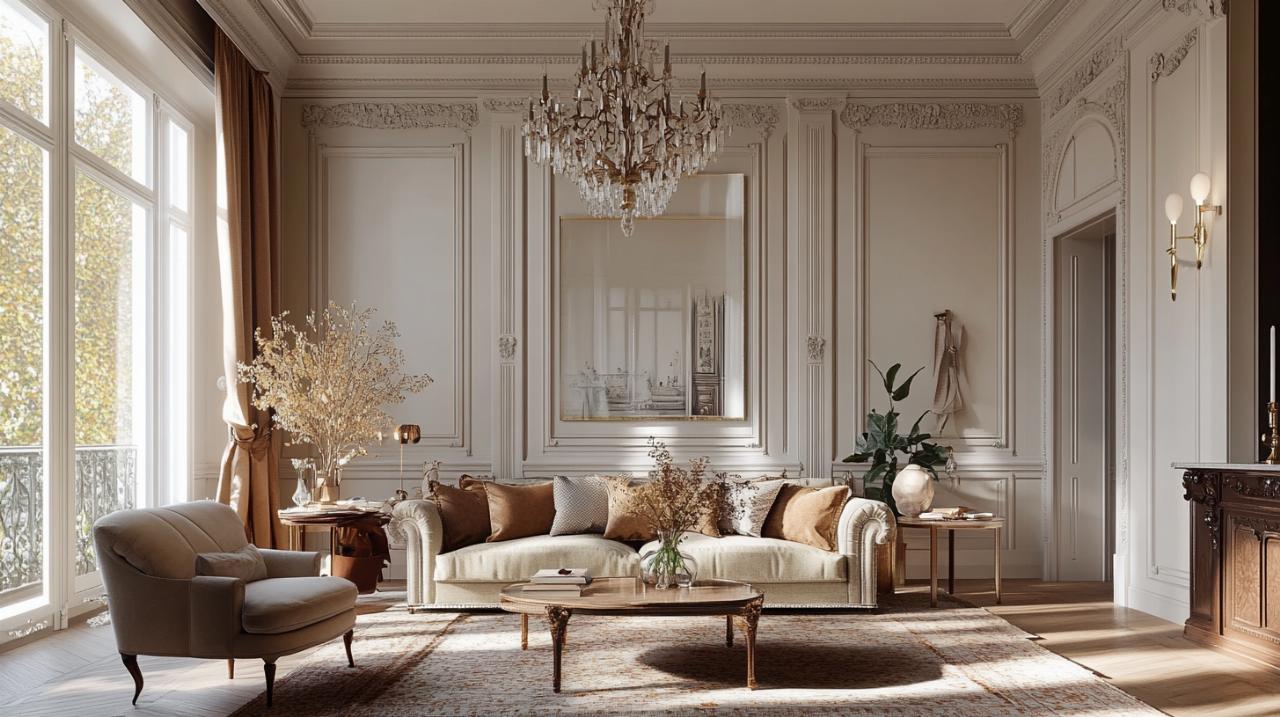
The living room is often the heart of a home, and creating a Parisian-inspired space here can set the tone for the rest of your interior. Start by focusing on a neutral colour scheme that allows your furniture and accessories to take centre stage. A classic sofa in a soft linen or velvet, paired with a vintage coffee table and an elegant area rug, forms the foundation of the room. Layering is essential, so consider adding throws and cushions in complementary tones to introduce texture and warmth. Lighting plays a crucial role in achieving the right ambience, with chandeliers, wall sconces, and table lamps providing both illumination and decorative interest. Opt for fixtures with a touch of glamour, such as crystal details or antique brass finishes, to enhance the Parisian vibe. Artwork and mirrors should be carefully selected and arranged to create visual interest on the walls. Large, ornate mirror frames not only add a decorative element but also help to bounce light around the room, making it feel more spacious and inviting. Fresh flowers in elegant vases, books displayed on coffee tables, and decorative candles contribute to an atmosphere that is both refined and welcoming. The goal is to create a space that feels curated over time, with each piece telling a story and contributing to the overall sense of elegance.

French design tips for different rooms

Every room in your home offers an opportunity to incorporate French design principles, each with its own unique considerations. In the bedroom, the focus should be on creating a restful retreat that exudes tranquillity and romance. A bed with a carved wooden headboard or an upholstered frame in a luxurious fabric sets the stage, while crisp white linens and soft throws add layers of comfort. Bedside tables with elegant lamps and perhaps a vintage vanity mirror complete the look, ensuring the space feels both functional and beautiful. The kitchen, often a central gathering place, can benefit from French-inspired elements such as open shelving displaying ceramics and glassware, a farmhouse sink, and traditional cabinetry painted in soft hues. Incorporating natural materials like stone worktops and wooden chopping boards adds authenticity and warmth. In the bathroom, consider freestanding bathtubs, vintage-style fixtures, and elegant tiles to create a spa-like atmosphere that feels indulgent yet timeless. For those looking to separate spaces such as the kitchen from the lounge, French design offers elegant solutions that maintain flow while defining areas. Decorative screens, open shelving units, or even a stylish bar cart can serve as subtle dividers that enhance rather than interrupt the overall design. Window treatments also deserve attention, with options like roller blinds in soft pinks or traditional curtain rails in esquina arrangements adding both function and flair. Insulation and practical concerns, such as addressing damp walls or selecting insulating plasterboard, can be handled in ways that do not compromise on style, ensuring your home is as comfortable as it is beautiful. Finally, do not overlook smaller details like decorative candles from brands known for their quality, or DIY projects that allow you to personalise your space. These finishing touches bring personality and warmth, making your home truly your own while staying true to the elegant spirit of French interior design.

Arabic Calligraphy Board: Which Is the Best? | Reviews 2025 – Comparing Traditional and Modern Boards for Optimal Painting Results

The world of Arabic calligraphy has witnessed a remarkable surge in recent years, with enthusiasts and artists alike seeking the perfect medium to express this timeless art form. As 2025 unfolds, the market presents an impressive array of calligraphy boards, each designed to cater to different skill levels, artistic preferences, and aesthetic goals. Whether you are drawn to the heritage of hand-crafted surfaces or the convenience of contemporary innovations, understanding the distinctions between traditional and modern boards is essential for achieving optimal painting results. The growing interest in Islamic paintings and wall art reflects a broader appreciation for spiritual expression through visual artistry, making the choice of board a crucial step in your creative journey.

Traditional arabic calligraphy boards: heritage meets craftsmanship

Authentic Materials and Classic Textures for Time-Honoured Techniques

Traditional Arabic calligraphy boards have long been cherished for their ability to connect artists with centuries-old practices. These surfaces are typically crafted from materials such as wood, high-quality canvas, and specially prepared paper, each offering unique textures that influence the flow and character of ink. Wood boards, often meticulously sanded and treated, provide a firm and stable base that allows for precise strokes, making them ideal for mastering classical calligraphy styles. The natural grain of wood can add a subtle, organic quality to finished pieces, enhancing the visual depth and authenticity of the artwork. Canvas boards, on the other hand, offer a slightly yielding surface that absorbs ink differently, creating a soft, tactile finish that many traditional artists favour for its richness and warmth. Prepared paper boards, often made from cotton or rag paper, are prized for their ability to hold intricate details and delicate lines, essential for reproducing the flowing elegance of classical script revival. These materials are not merely functional; they embody the heritage and craftsmanship that define traditional Islamic art, where symmetry and rich colours are paramount.

Evaluating Wood, Canvas, and Paper Options for Traditional Calligraphy Practice

When selecting a traditional board, it is important to consider how each material interacts with your chosen inks and brushes. Wooden boards are durable and can withstand repeated use, making them a practical choice for workshops and courses where students practice extensively. Their solid surface ensures that every stroke is deliberate, encouraging precision and control. Canvas boards, while less rigid, offer versatility and are particularly well-suited for larger compositions or pieces intended for display as home decor. The slight give of canvas can create a dynamic interplay between the artist and the medium, resulting in artworks with a distinctive character. Paper boards, though more delicate, are indispensable for those seeking to replicate the finesse of historical manuscripts and Quranic verses. The choice of traditional board ultimately depends on your artistic goals and the specific calligraphy styles you wish to explore. For those attending courses in Paris or similar cultural hubs, experimenting with different traditional materials can deepen your understanding of how heritage techniques influence modern practice. Traditional boards also complement environments where spiritual meaning and aesthetic refinement are valued, making them a popular choice for hotels and interiors that celebrate Islamic calligraphy.

Modern calligraphy boards: innovation and contemporary design

Digital Surfaces and Reusable Boards for Today's Artists

The advent of modern technology has revolutionised the way artists approach Arabic calligraphy, introducing boards that combine innovation with practicality. Digital surfaces, such as graphic tablets and electronic drawing boards, allow artists to experiment with geometric designs and minimalist Islamic art without the need for physical ink or paper. These tools offer unparalleled flexibility, enabling users to adjust stroke weight, colour, and composition with ease, making them ideal for contemporary Islamic art that emphasises simplicity and modern calligraphy. Reusable boards, often constructed from laminated or coated materials, provide an eco-friendly alternative to traditional surfaces. Artists can practise repeatedly, wiping away their work and starting afresh without wasting resources. This approach is particularly appealing to those enrolled in workshops or courses where continuous practice is essential for skill development. The versatility of modern boards extends beyond the studio; they are portable and lightweight, making them convenient for artists who travel or wish to create in diverse settings. The integration of neutral palettes and contemporary design principles into these boards reflects broader trends in the UK market, where minimalist Islamic art has gained significant traction.

Comparing Size, Colour Variations, and Portability in Modern Boards

Modern calligraphy boards are available in a wide range of sizes, from compact portable models suitable for on-the-go practice to larger formats designed for ambitious projects and detailed artworks. Smaller boards are perfect for quick sketches and initial drafts, while expansive surfaces accommodate intricate patterns and multi-panel compositions that can serve as striking home decor or canvas prints. Colour variations also play a significant role in the appeal of modern boards. Many feature neutral or customisable backgrounds that enhance the visibility of black or coloured inks, ensuring that every detail of your calligraphy stands out. Some boards even offer adjustable backlighting or contrast settings, which are particularly beneficial when working in different lighting conditions or when creating pieces for specific environments such as hotels or interior spaces. Portability is another key advantage of modern boards, as they are designed with the needs of contemporary artists in mind. Lightweight materials and compact designs make it easy to transport your board to workshops, courses, or outdoor settings, allowing you to practise and create wherever inspiration strikes. The combination of size flexibility, colour options, and portability makes modern boards an attractive choice for artists seeking to blend traditional techniques with contemporary innovation.

Selecting the Ideal Board: Practical Considerations and Where to Purchase

Workshops, Courses in Paris, and Expert Recommendations for Your Choice

Choosing the right calligraphy board involves more than simply picking a surface; it requires thoughtful consideration of your skill level, artistic objectives, and the environments in which you plan to work. Participating in workshops and courses can provide invaluable insights, as instructors often recommend specific boards based on the techniques being taught. Courses in Paris, renowned for their emphasis on both traditional and modern Islamic art, frequently incorporate hands-on sessions where students can experiment with different materials and surfaces. These immersive experiences allow you to assess how various boards respond to different calligraphy styles, from classical script revival to contemporary geometric designs. Expert recommendations typically highlight the importance of matching your board to your intended use. For instance, if you are creating artworks for display during Ramadan or Eid, a board that supports detailed canvas prints or rich, vibrant colours may be most appropriate. Conversely, if your focus is on daily practice and skill refinement, a reusable modern board might offer the best value and convenience. Consulting with experienced calligraphers and instructors can help you navigate the diverse options available and select a board that aligns with your creative vision and practical needs.

Finding Quality Boards on Amazon and Matching Artworks to Hotels and Interiors

The convenience of online shopping has made it easier than ever to source high-quality calligraphy boards, with platforms like Amazon offering a broad selection of both traditional and modern options. When browsing, it is helpful to consider customer reviews and ratings, as these can provide insights into the performance and durability of different boards. Many sellers on Amazon also offer bundles that include boards alongside complementary materials such as inks, brushes, and instructional guides, which can be particularly useful for beginners or those looking to expand their practice. In addition to Amazon, suppliers such as Alibaba cater to businesses and artists seeking bulk orders or specialised materials, including luxury modern Islamic wall art and hand-painted calligraphy canvases. These platforms often feature competitive pricing and a wide variety of materials, from canvas and metal to wood and porcelain, allowing you to find boards that suit both your artistic preferences and budget. Once you have selected your board and created your artwork, consider how it will complement different environments. Artworks featuring Quranic verses, minimalist Islamic art, or intricate geometric designs are increasingly popular in hotels and interior settings, where they add a touch of spiritual meaning and aesthetic elegance. Thoughtful placement and matching your palette to existing decor can enhance the impact of your calligraphy, transforming a simple piece into a focal point that resonates with viewers. The versatility of modern Islamic art, with its emphasis on simplicity and neutral palettes, makes it particularly well-suited to contemporary interiors, while traditional pieces with their rich colours and symmetry bring a sense of heritage and refinement to any space.

Unveiling inspiring decor ideas for enhancing your living space

Creating a living space that truly reflects your personality whilst remaining inviting and functional can seem like quite the undertaking, yet with thoughtful choices and a dash of creativity, any room can be elevated into something special. Whether you're contemplating a complete overhaul or simply seeking a fresh perspective on your existing setup, exploring various approaches to interior decoration opens up a world of possibilities. The art of enhancing your home lies in understanding how colours, textures, furniture, and personal items work together to craft an environment that not only looks stunning but also feels like a genuine sanctuary.

Transformative colour schemes and textile choices

The foundation of any successful interior transformation often begins with the palette you choose to adorn your walls and surfaces. When considering decor ideas that can genuinely invigorate your living room, the impact of colour cannot be overstated. From strong, confident tones that make a bold statement to grounding greens that bring a sense of calm, the spectrum of possibilities is vast. Inky blues offer a sophisticated depth, whilst softer shades can create an airy, tranquil atmosphere. The website offers extensive resources for exploring paint and wallpaper options, categorised by colour and collection, making it easier to visualise how different hues might harmonise with your existing furnishings. Ordering samples, colour cards, and wallpaper swatches allows you to test these choices in your own space before committing, ensuring the final selection complements the natural light streaming through your windows and the overall mood you wish to cultivate.

Embracing Bold Hues and Patterns in Your Lounge

Stepping beyond neutral safety zones can breathe new life into a room that has grown stale or predictable. Incorporating a feature wall, whether through a striking paint colour or an eye-catching wallpaper design, immediately draws the eye and establishes a focal point. For those with sloped or pitched ceilings, wallpaper can be particularly effective in adding character to otherwise overlooked surfaces. The interplay between bold colours and shapes introduces a dynamic energy, whilst the use of curves in furniture or decorative elements softens the overall aesthetic. If you're hesitant about committing to a permanent change, especially in a rental property, paint remains one of the most versatile and renter-friendly decorating tools. A carefully chosen shade can unify disparate elements in a room or create contrast that highlights architectural features. Additionally, the offer to book a colour consultancy provides expert guidance tailored to your specific space, ensuring that your choices are both aesthetically pleasing and practically sound.

Layering Fabrics for Depth and Warmth

Textiles play an equally vital role in creating a space that feels inviting and comfortable. A colourful rug anchors a seating area and introduces warmth underfoot, whilst also serving as an opportunity to introduce pattern and texture. Choosing a comfy sofa that suits both your lifestyle and the scale of your room is fundamental, and opting for the largest piece that can comfortably fit ensures ample seating without overwhelming the space. Layering fabrics through cushions, throws, and curtains adds depth and visual interest, allowing you to experiment with different materials and weaves. Hanging curtains higher, typically four to six inches above the window frame, creates the illusion of taller ceilings and allows more natural light to flood the room. Natural light is a critical consideration, with a significant majority of people regarding it as paramount when evaluating a home. Controlling this light effectively through window treatments such as made-to-measure blinds or shutters offers flexibility, enabling you to adjust the ambiance throughout the day whilst maintaining privacy and energy efficiency. The company provides a range of options, from Venetian and honeycomb blinds to plantation shutters suited to bay windows, bi-fold doors, and even uniquely shaped openings, all backed by a ten-year warranty and free surveys to ensure a perfect fit.

Curating statement pieces and personal touches

Beyond the foundational elements of colour and fabric, the objects you choose to display and the furniture you select define the character of your living space. The art of curation involves balancing aesthetic appeal with functionality, ensuring that every piece serves a purpose, whether practical or emotional. Mixing traditional and contemporary styles can create a layered, eclectic look that feels both timeless and current, whilst incorporating vintage or second-hand finds adds individuality and often represents excellent value. A well-chosen coffee table becomes more than just a surface for cups and magazines; it can serve as a centrepiece that anchors the room and invites conversation. Similarly, thoughtful storage solutions and shelving not only keep clutter at bay but also provide opportunities to display cherished objects, books, and decorative items in a way that tells your personal story.

Selecting focal point furniture and artwork

Identifying and emphasising a focal point within your living room guides the arrangement of furniture and the flow of the space. For many, the fireplace naturally assumes this role, offering a visual anchor that can be styled with candles, artwork, or seasonal decorations. If your room lacks a traditional focal point, consider creating one through a striking piece of furniture, a large mirror, or a gallery wall of art. Hanging art at the appropriate height and in a thoughtful arrangement adds personality and colour, transforming blank walls into dynamic displays. Mirrors, in particular, are a clever tool for creating the illusion of more space and reflecting light, making smaller rooms feel more open and airy. For those working from home, integrating a dedicated home working station into the living area requires careful planning to maintain the room's relaxed atmosphere whilst providing functionality. This might involve selecting a desk that doubles as a console table or using clever storage to keep work materials out of sight when not needed.

Incorporating cherished objects and greenery

The final layer of personalisation comes from the objects and living elements you introduce into your space. Plants are particularly powerful in this regard, as research suggests they can ease anxiety and encourage happiness, bringing a touch of nature indoors that softens hard edges and improves air quality. Large, statement plants make an immediate impact, whilst smaller varieties can be grouped on shelves or window seats to add life and colour. Similarly, incorporating items with sentimental value, whether family heirlooms, travel souvenirs, or handmade pieces, ensures your living room feels uniquely yours. Adopting floral decor, whether through fresh blooms, botanical prints, or fabric patterns, introduces a romantic and seasonal element that can be easily refreshed. Even unconventional choices, such as decorating with vinyl records or framing scarves as art, add unexpected interest and spark conversation. Picture shelves offer a flexible alternative to traditional hanging, allowing you to layer frames and objects in awkward corners or above furniture. For those drawn to minimalist aesthetics, the challenge lies in selecting only the most meaningful items and ensuring each has space to breathe, whilst those who prefer a maximalist approach can revel in layering textures, colours, and collections. Ultimately, the most inspiring living spaces are those that reflect the lives and passions of their inhabitants, blending practical considerations with creative expression to craft a home that is both beautiful and deeply personal.