
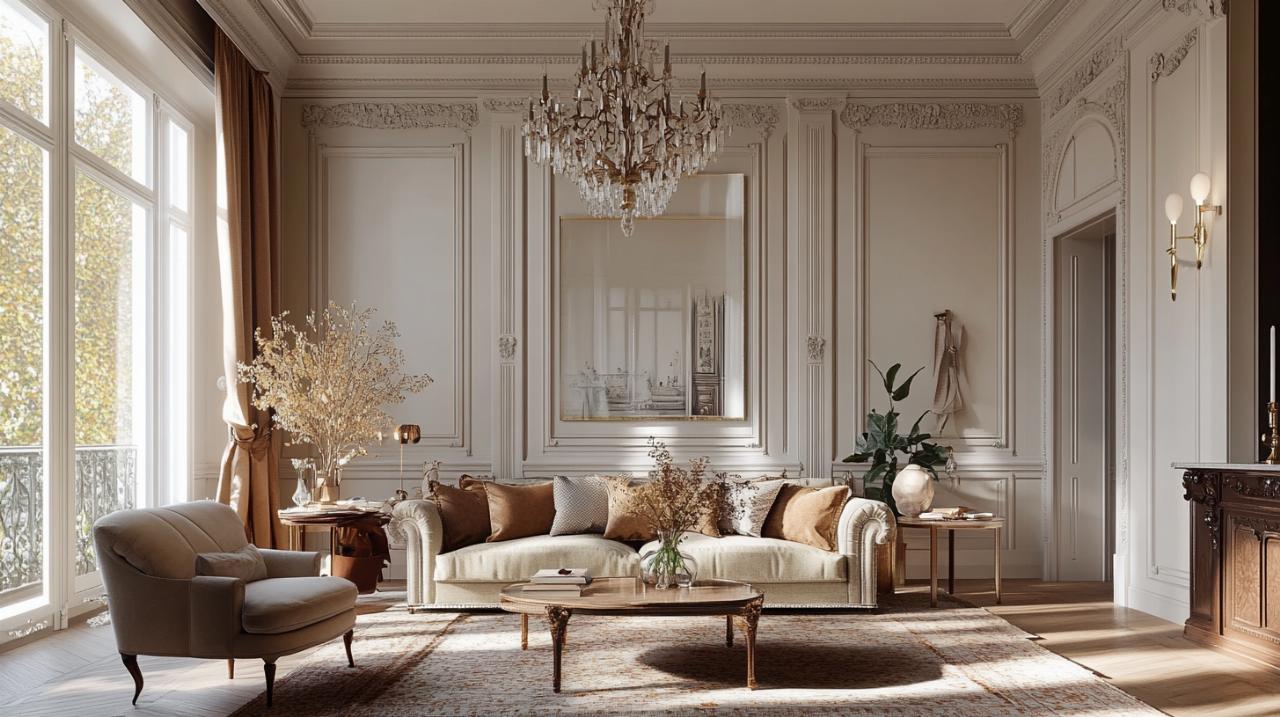
French interior design has long captivated homeowners and decorators with its timeless elegance and effortless sophistication. The allure of a beautifully appointed Parisian apartment or a charming cottage in Provence is undeniable, and bringing these elements into your own home can transform your living spaces into havens of style and comfort. Whether you are drawn to the ornate details of classic French decor or the relaxed charm of shabby chic, there are countless ways to infuse your interiors with the grace and refinement that define French aesthetics.
Essential elements of french interior design
Understanding the foundational components of French interior design is crucial for anyone looking to recreate this beloved style. At its heart, French decor is about balancing elegance with comfort, creating spaces that feel both luxurious and lived-in. This approach emphasises quality over quantity, favouring a few carefully chosen pieces that make a statement rather than cluttering a room with unnecessary items. The emphasis on natural materials, antique finds, and handcrafted details ensures that each space feels unique and personal. When you explore french interior design inspiration ideas, you will notice that the hallmark of this style is its ability to combine grandeur with warmth, making any home feel inviting yet sophisticated.
Classic french colour palettes and textures
One of the most recognisable aspects of French interior design is its signature colour palette. Soft, muted tones dominate, with shades of cream, ivory, pale grey, and gentle pastels creating a serene backdrop that allows architectural details and furnishings to shine. These colours evoke a sense of calm and elegance, making rooms feel airy and spacious. The French are masters at layering textures to add depth and interest without overwhelming the senses. Linen, silk, velvet, and aged wood all play important roles, contributing to a tactile richness that invites you to touch and explore. The use of painted furniture, often distressed or whitewashed, brings a touch of rustic charm while maintaining an air of refinement. This technique, popular in shabby chic styles, softens the overall look and adds character to spaces that might otherwise feel too polished. Textiles are equally important, with flowing curtains, plush cushions, and elegant throws adding warmth and comfort. The interplay between light and fabric is carefully considered, with natural light filtering through sheer drapes to create a luminous, inviting atmosphere.
Authentic french furniture and decorative pieces
Furniture selection is where French interior design truly comes to life. Pieces are often curated with an eye for history and craftsmanship, favouring antiques or reproductions that capture the essence of bygone eras. Carved wood details, cabriole legs, and graceful curves are common features that add a sense of movement and artistry to a room. Dining furniture, for instance, is not merely functional but serves as a centrepiece that brings family and friends together in style. The French approach to decorating involves mixing old and new, high and low, to create a collected look that feels both sophisticated and approachable. Shutters, a quintessential element of French architecture, can be incorporated into interior design to add authenticity and charm. Whether used on windows or as decorative accents, they bring a touch of the Parisian streetscape into your home. Mirror frames, especially those with ornate gilt or distressed finishes, are another staple, reflecting light and creating the illusion of more space while adding a decorative flourish. DIY artworks and handcrafted pieces also find a natural home in French interiors, where personal touches are celebrated and individuality is prized. These elements, sourced from markets, antique shops, or even created at home, ensure that no two spaces are exactly alike.
Transforming your home with french-inspired styling
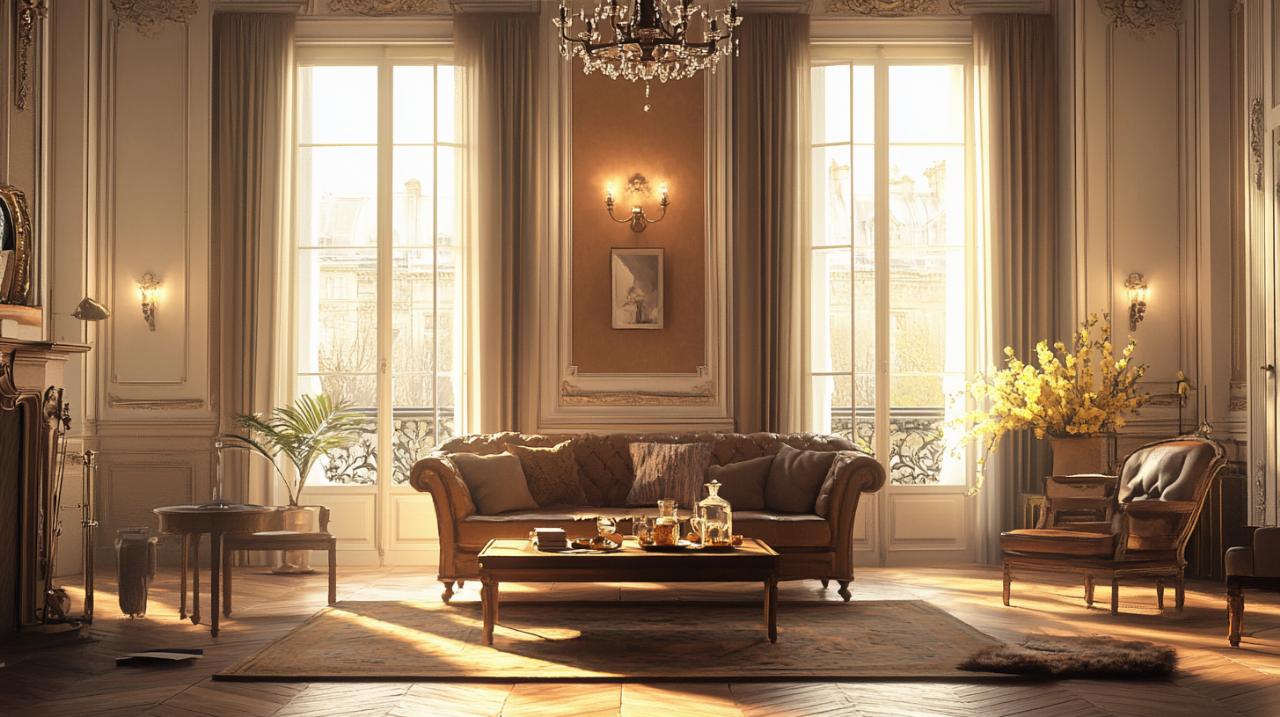
Once you understand the core principles of French interior design, the next step is to apply them to your own living spaces. This process is as much about adopting a mindset as it is about selecting specific items. French style is not about following rigid rules but rather about embracing a sense of beauty, balance, and history. It encourages you to look beyond trends and invest in pieces that will stand the test of time, both in terms of quality and aesthetic appeal. The transformation can begin in any room, with small changes making a significant impact. Whether you are redecorating a single space or undertaking a full home renovation, the key is to remain true to the principles of elegance, simplicity, and comfort that define this enduring style.
Creating a parisian living space
The living room is often the heart of a home, and creating a Parisian-inspired space here can set the tone for the rest of your interior. Start by focusing on a neutral colour scheme that allows your furniture and accessories to take centre stage. A classic sofa in a soft linen or velvet, paired with a vintage coffee table and an elegant area rug, forms the foundation of the room. Layering is essential, so consider adding throws and cushions in complementary tones to introduce texture and warmth. Lighting plays a crucial role in achieving the right ambience, with chandeliers, wall sconces, and table lamps providing both illumination and decorative interest. Opt for fixtures with a touch of glamour, such as crystal details or antique brass finishes, to enhance the Parisian vibe. Artwork and mirrors should be carefully selected and arranged to create visual interest on the walls. Large, ornate mirror frames not only add a decorative element but also help to bounce light around the room, making it feel more spacious and inviting. Fresh flowers in elegant vases, books displayed on coffee tables, and decorative candles contribute to an atmosphere that is both refined and welcoming. The goal is to create a space that feels curated over time, with each piece telling a story and contributing to the overall sense of elegance.
French design tips for different rooms
Every room in your home offers an opportunity to incorporate French design principles, each with its own unique considerations. In the bedroom, the focus should be on creating a restful retreat that exudes tranquillity and romance. A bed with a carved wooden headboard or an upholstered frame in a luxurious fabric sets the stage, while crisp white linens and soft throws add layers of comfort. Bedside tables with elegant lamps and perhaps a vintage vanity mirror complete the look, ensuring the space feels both functional and beautiful. The kitchen, often a central gathering place, can benefit from French-inspired elements such as open shelving displaying ceramics and glassware, a farmhouse sink, and traditional cabinetry painted in soft hues. Incorporating natural materials like stone worktops and wooden chopping boards adds authenticity and warmth. In the bathroom, consider freestanding bathtubs, vintage-style fixtures, and elegant tiles to create a spa-like atmosphere that feels indulgent yet timeless. For those looking to separate spaces such as the kitchen from the lounge, French design offers elegant solutions that maintain flow while defining areas. Decorative screens, open shelving units, or even a stylish bar cart can serve as subtle dividers that enhance rather than interrupt the overall design. Window treatments also deserve attention, with options like roller blinds in soft pinks or traditional curtain rails in esquina arrangements adding both function and flair. Insulation and practical concerns, such as addressing damp walls or selecting insulating plasterboard, can be handled in ways that do not compromise on style, ensuring your home is as comfortable as it is beautiful. Finally, do not overlook smaller details like decorative candles from brands known for their quality, or DIY projects that allow you to personalise your space. These finishing touches bring personality and warmth, making your home truly your own while staying true to the elegant spirit of French interior design.
