
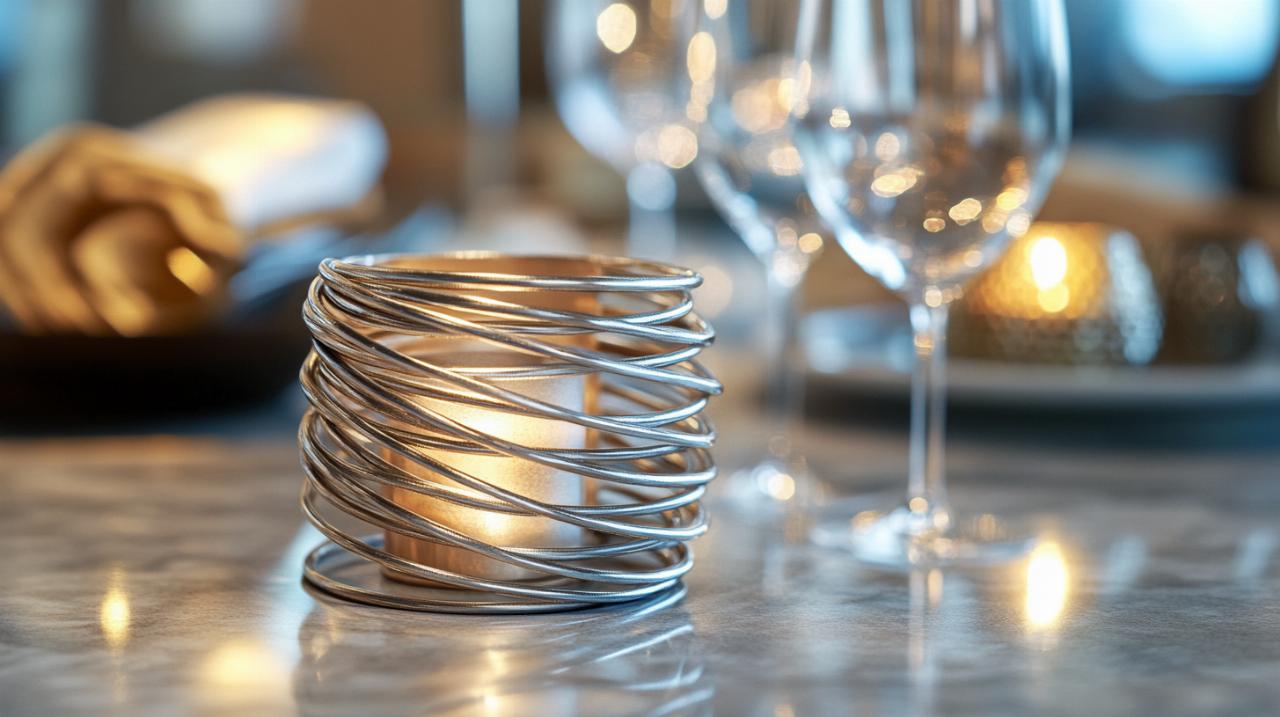
Creating beautiful table settings requires attention to detail, and one of the simplest yet most effective ways to elevate your dining experience is through handcrafted napkin rings. Wire napkin rings offer a versatile and elegant solution for various celebrations, from intimate family gatherings to elaborate wedding receptions. This guide explores how to craft stunning wire napkin rings using accessible materials and straightforward techniques, transforming ordinary table arrangements into memorable displays that reflect your personal style and creativity.
Getting Started: Essential Materials and Tools for Crafting Wire Napkin Rings
Before embarking on your napkin ring project, gathering the proper materials ensures a smooth creative process. The foundation of any wire napkin ring lies in selecting quality materials that are both manageable and durable. Craft wire typically comes in various gauges, with thinner options offering easier manipulation for intricate designs whilst thicker gauges provide structural integrity for larger decorative elements. Alongside the wire itself, you will need basic jewellery-making tools such as round-nose pliers for creating loops, flat-nose pliers for gripping and bending, and wire cutters for precise trimming. A mandrel or cylindrical object around which to shape your rings helps maintain consistent sizing, ensuring each napkin holder fits comfortably around folded serviettes.
Selecting the Right Wire: Aluminium vs. Other Metal Options for Your Napkin Holders
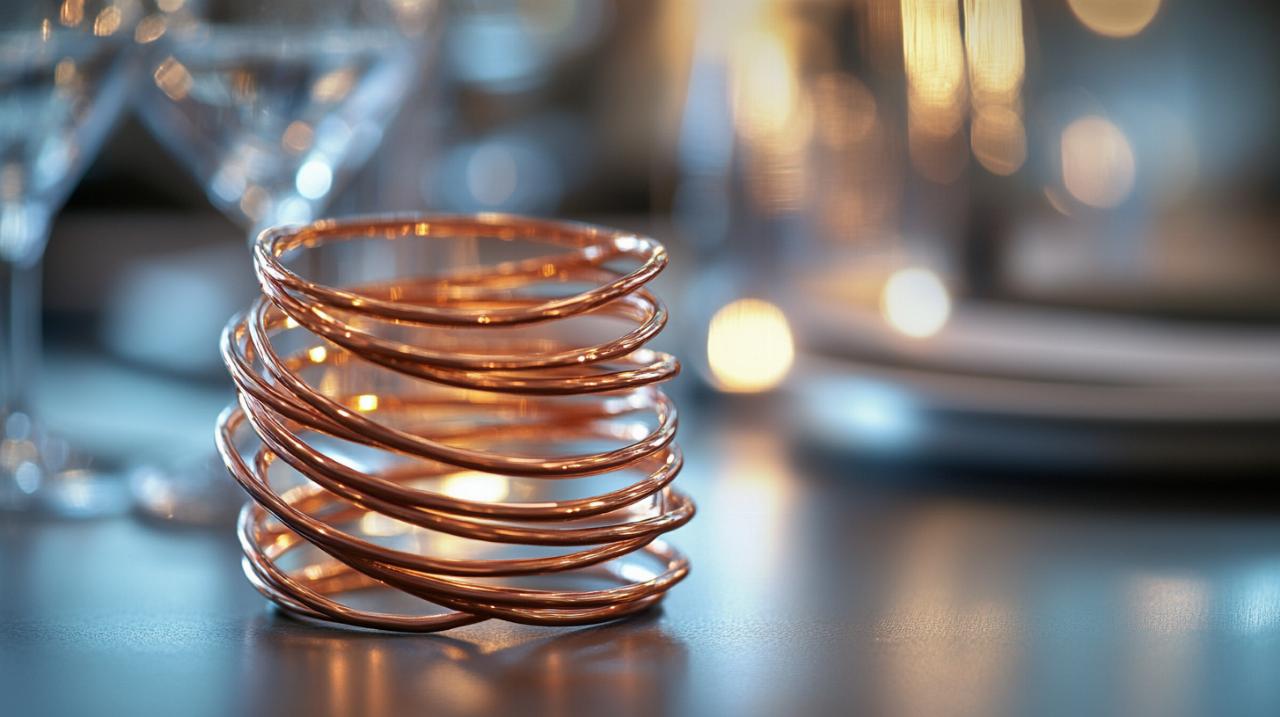
Aluminium wire stands out as a popular choice among crafters due to its lightweight nature and remarkable flexibility. This metal allows beginners to experiment with various shapes without requiring excessive force, making it ideal for first-time wire workers. Aluminium also resists tarnishing, maintaining its lustrous appearance through multiple uses and washing cycles. However, other metal options present their own advantages worth considering. Copper wire develops a warm patina over time, adding rustic charm to table settings suited for autumn celebrations or vintage-themed events. Silver-plated wire offers a refined aesthetic perfect for formal occasions, whilst brass provides a golden hue that complements warm colour palettes beautifully. Each metal type responds differently to manipulation, with softer metals like aluminium bending easily whereas harder options such as stainless steel require more effort but deliver exceptional durability.
Complementary Materials: Incorporating Beads, Rhinestones, and Wood Elements into Your Design
Enhancing wire napkin rings with additional decorative elements transforms simple bands into statement pieces that capture attention across the dining table. Beads offer endless possibilities for customization, available in glass, crystal, ceramic, and wooden varieties that suit different aesthetic preferences. Threading beads onto wire before shaping creates integrated designs where embellishments become structural features rather than afterthoughts. Rhinestones bring sparkle and glamour, particularly appropriate for wedding celebrations or New Year gatherings where a touch of shimmer elevates the atmosphere. Adhesive-backed rhinestones attach easily to finished wire structures, whilst prong-set versions require slightly more advanced techniques but deliver secure, long-lasting results. Wood elements introduce organic texture and natural warmth, with small wooden beads or carved accents providing contrast against metallic surfaces. Combining materials creates visual interest and depth, allowing you to develop signature styles that reflect seasonal themes or personal tastes.
Step-by-step video tutorial: creating your first metal wire napkin ring
Following a comprehensive video tutorial simplifies the learning process by demonstrating techniques in real time, allowing you to observe hand positions, tool usage, and problem-solving approaches as they unfold. Visual instruction proves particularly valuable when working with wire, as subtle adjustments in pressure or angle significantly impact the final result. A well-structured tutorial begins with material preparation, showing how to measure and cut wire to appropriate lengths based on desired ring diameter. The demonstration then progresses through fundamental shaping techniques, illustrating how to form consistent circles using a mandrel or household cylinder as a guide. Watching an experienced crafter navigate common challenges such as maintaining even spacing or preventing wire kinks builds confidence before you attempt the project yourself.
Basic Techniques: Shaping and Securing Wire for a Professional Finish
Mastering fundamental wire-working skills establishes the foundation for creating polished napkin rings that appear professionally crafted rather than homemade. The process begins with creating a smooth, circular base by wrapping wire around your chosen mandrel, ensuring the ends overlap slightly to facilitate secure fastening. Using round-nose pliers to form small loops at each wire end prevents sharp edges from catching on fabric or skin whilst providing anchor points for decorative elements. Wrapping one wire end around the main circle several times creates a secure join that withstands repeated handling without unraveling. Achieving uniform tension throughout the shaping process ensures your rings maintain consistent circular forms rather than developing flat spots or irregular curves. Finishing techniques such as filing rough edges smooth and gently burnishing the metal surface with fine steel wool impart a refined appearance that distinguishes quality handmade items from rushed projects.
Advanced Embellishments: Adding Decorative Touches for Weddings and Special Celebrations
Once comfortable with basic construction, expanding your repertoire to include advanced decorative techniques allows creation of bespoke napkin rings tailored to specific occasions. For wedding celebrations, incorporating initials or meaningful symbols formed from finer gauge wire adds personalised touches that guests appreciate as keepsakes. Wrapping sections of the main ring with contrasting wire colours creates striped patterns or geometric designs that coordinate with wedding themes or seasonal colour schemes. Christmas table settings benefit from wire napkin rings adorned with miniature evergreen sprigs, tiny pinecones, or small jingle bells attached using fine wire wrapping techniques. Birthday parties and christening celebrations call for cheerful embellishments such as colorful beads arranged in patterns or small charms reflecting the guest of honour's interests. Communion gatherings might feature delicate crosses or doves crafted from fine wire and attached as focal points. Each embellishment should enhance rather than overwhelm the base structure, maintaining balance between decorative impact and functional simplicity.
Styling Your Handmade Napkin Rings for Different Occasions and Celebrations
The versatility of wire napkin rings extends beyond their physical construction to encompass myriad styling possibilities that enhance various celebration types. Thoughtful placement and coordination with other table elements ensures your handcrafted rings contribute meaningfully to the overall aesthetic rather than appearing as isolated decorative items. Consider how napkin ring designs interact with serviette colors, patterns, and folding techniques to create cohesive visual statements. Metallic wire complements both neutral linens and boldly patterned fabrics, with the choice of embellishments offering opportunities to echo colours from china patterns, floral arrangements, or seasonal decorations throughout your space.
Festive table settings: christmas, birthday parties, and christening decor ideas
Christmas table settings provide ideal opportunities to showcase wire napkin rings adorned with seasonal elements that capture the holiday spirit. Silver or gold wire rings embellished with tiny artificial holly berries and evergreen sprigs create classic festive appeal, whilst copper wire with wooden bead accents offers rustic charm suited to country-style celebrations. For children's birthday parties, wire rings incorporating bright beads in rainbow sequences or shaped wire elements resembling balloons or stars add playful touches that delight young guests. Christening celebrations call for delicate designs featuring soft pastel beads or simple crosses formed from fine wire, creating elegant table accents that photograph beautifully. The key to successful occasion-specific styling lies in balancing thematic elements with restraint, ensuring decorations enhance rather than overwhelm the dining experience.
Elegant Presentation: Pairing Wire Rings with Macrame and Fancy Napkin Folding Techniques
Combining handcrafted wire napkin rings with complementary textile techniques elevates table presentations to professional standards worthy of the most discerning guests. Macrame napkin holders featuring natural cotton cord pair beautifully with simple wire rings, with the textural contrast between soft fibers and smooth metal creating visual interest. Placing a wire ring atop a macrame base adds dimension whilst allowing both handmade elements to shine without competing for attention. Fancy napkin folding techniques such as the bishop's hat, rose, or fan fold gain additional structure and polish when secured with thoughtfully designed wire rings. The ring becomes both functional fastener and decorative accent, maintaining the fold's shape throughout the meal whilst contributing aesthetic value. For formal occasions, consider threading serviettes through wire rings before executing complex folds, creating layered presentations that demonstrate attention to detail. Wedding receptions particularly benefit from this combination, as intricate napkin presentations convey the care invested in planning each element of the celebration.
