
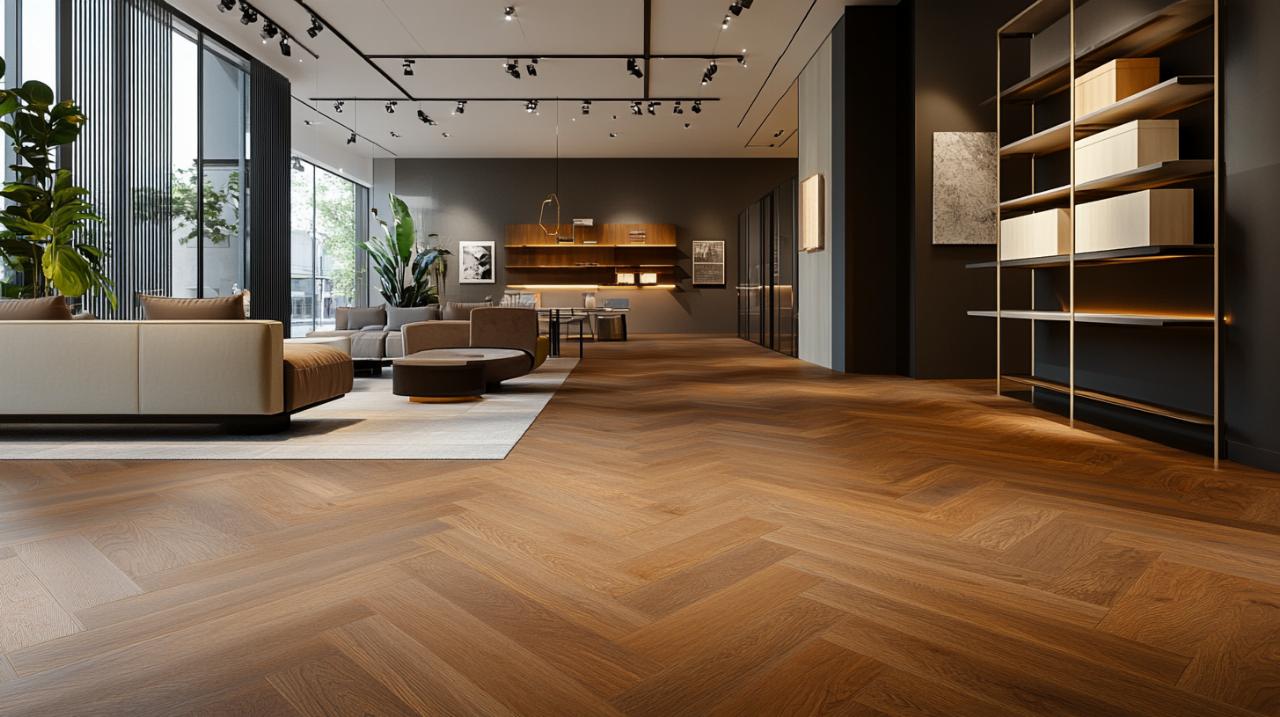
Choosing the right flooring for your home can feel overwhelming with so many options available on the market today. Whether you are renovating a single room or planning a complete overhaul of your property, understanding the differences between solid wood, engineered wood, and laminate flooring is essential. Each type offers distinct advantages and challenges, and the best choice will depend on your budget, lifestyle, and the specific demands of each room in your home. This guide will walk you through the key considerations to help you make an informed decision that balances quality, cost, and durability.
Understanding your flooring options: solid wood, engineered wood, and laminate
Navigating the world of flooring types requires a clear grasp of what each material offers. Solid wood, engineered wood, and laminate flooring each have unique characteristics that make them suitable for different applications. Solid wood flooring is crafted from a single piece of timber, offering a classic and timeless aesthetic that many homeowners adore. This type of flooring feels cooler underfoot during the summer months and warmer in winter, providing natural insulation. Its authentic appearance is unmatched, and it can significantly enhance the resale value of your home. However, solid wood is more expensive than other options and less stable, particularly in environments with fluctuating humidity levels. It can swell in damp conditions and may require more careful maintenance over time.
What makes solid wood flooring stand out
Solid wood flooring is prized for its genuine beauty and the sense of luxury it brings to a space. Each plank is cut from a single piece of hardwood, which means the grain and texture are entirely natural. This authenticity is something that cannot be replicated by synthetic alternatives. The material is also highly durable when properly cared for, and it can be sanded down and refinished multiple times throughout its lifespan, which can extend to several decades. The cost of solid wood flooring ranges from around fifteen to eighty-two pounds per square metre, making it a significant investment. Despite the higher price point, many homeowners find that the long-term value and aesthetic appeal justify the expense. This type of flooring is best suited to living rooms, dining rooms, and bedrooms where moisture levels are stable and the risk of water damage is minimal.
The Construction and Benefits of Engineered and Laminate Flooring
Engineered wood flooring offers a middle ground between solid wood and laminate. It consists of multiple layers of wood, with a top layer made from solid hardwood. This construction makes it more resistant to warping and better able to withstand temperature and humidity changes compared to solid wood. Engineered wood is also more affordable, with prices typically ranging from nineteen to one hundred and sixty pounds per square metre. It provides the authentic appearance of real wood while offering improved stability, making it a popular choice for many UK homes. Regular cleaning and maintenance are necessary, but with proper care, engineered wood can last anywhere from twenty to one hundred years. Some modern engineered wood products feature a click-lock system that simplifies installation, allowing for quicker and easier fitting without the need for glue.
Laminate flooring, on the other hand, is constructed from compressed materials such as high-density fibreboard, topped with a printed image that mimics the look of wood or stone. This makes laminate a highly cost-effective option, with prices starting from as low as eight pounds per square metre. Laminate is durable, scratch-resistant, and easy to clean, which makes it an excellent choice for households with children and pets. It can often be installed in a single day thanks to its click-fit design, and it works well with underfloor heating systems as long as the surface temperature does not exceed twenty-eight degrees Celsius. However, laminate does have some drawbacks. It does not feel as authentic as real wood, and once damaged, it cannot be sanded down or refinished. Instead, damaged boards must be replaced entirely. The lifespan of laminate flooring is typically shorter than that of engineered or solid wood, ranging from ten to twenty years.
Matching Flooring Types to Different Rooms in Your Home
Selecting the appropriate flooring for each room in your home is crucial to ensuring both functionality and aesthetic appeal. Different areas of your property have varying levels of foot traffic, moisture exposure, and temperature fluctuations, all of which influence the suitability of each flooring type. Understanding these factors will help you choose a material that not only looks good but also performs well over time.
Best Flooring Choices for High-Traffic Areas Like Kitchens and Hallways
Kitchens and hallways are among the busiest areas in any home, requiring flooring that can withstand constant use and occasional spills. Laminate flooring is an excellent choice for these high-traffic zones due to its durability and resistance to scratches and moisture. Its easy-to-clean surface makes it practical for kitchens where spills are common, though it is important to note that laminate is not fully waterproof and should be used with caution in areas prone to standing water. For added peace of mind, some manufacturers offer waterproof laminate options that are better suited to moisture-prone environments.
Engineered wood flooring is also a viable option for kitchens and hallways, particularly if you prefer the look of real wood. Opting for a lacquered finish rather than an oiled one will provide better water resistance, making it more suitable for areas where spills are likely. Engineered wood is hardwearing and can be sanded and refinished if it becomes scratched or worn over time. However, it is not as inherently scratch-resistant as laminate, so households with pets or young children may need to take extra care. Wood-effect tiles and luxury vinyl tiles are other alternatives that offer excellent moisture resistance and are easy to maintain, making them ideal for kitchens and hallways. These materials are particularly popular in UK homes due to their versatility and modern appearance.
Selecting Appropriate Flooring for Living Rooms and Bathrooms
Living rooms benefit greatly from the warmth and character that solid wood or engineered wood flooring can provide. These spaces are typically lower in moisture and see moderate foot traffic, making them ideal for showcasing the natural beauty of real wood. Engineered wood is often preferred over solid wood in living rooms because it offers similar aesthetics at a lower cost and with greater stability. It is less likely to warp or crack in response to minor temperature changes, and it can be installed over underfloor heating systems, provided the correct underlay is used.
Bathrooms present a unique challenge due to their high moisture levels and the risk of water damage. Solid wood and standard engineered wood should generally be avoided in bathrooms, as prolonged exposure to humidity can cause swelling and warping. Laminate flooring is also not recommended for bathrooms unless it is specifically marketed as waterproof. Instead, wood-effect tiles or luxury vinyl tiles are the most suitable options. These materials are fully moisture-resistant, easy to clean, and available in a wide range of styles that mimic the appearance of real wood. They can withstand the damp conditions of a bathroom without deteriorating, making them a practical and stylish choice.
Evaluating quality, cost, and long-term value across flooring types
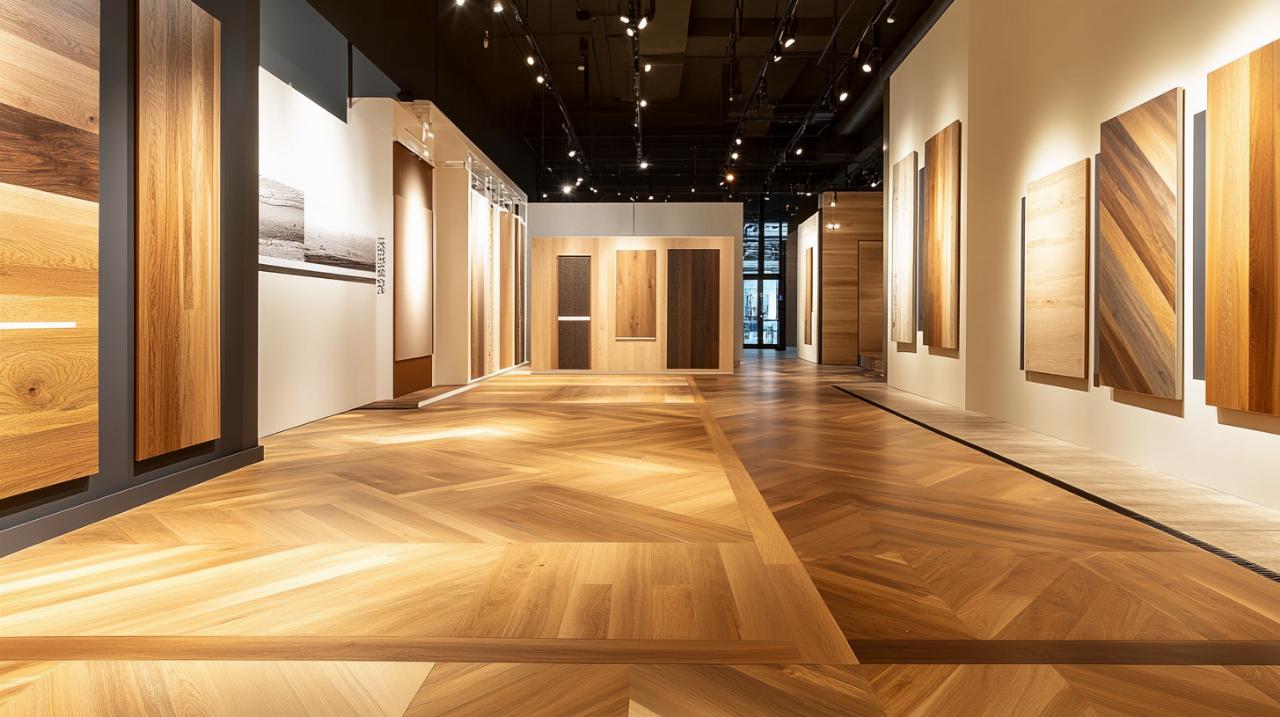
When investing in new flooring, it is essential to consider not only the initial purchase price but also the long-term value and maintenance requirements. Each flooring type has its own cost profile and expected lifespan, and understanding these factors will help you make a decision that aligns with your budget and lifestyle.
Comparing Price Points and Installation Expenses for Each Option
Cost is often one of the most significant factors influencing flooring decisions. Laminate flooring is generally the most affordable option, with prices starting from as low as eight pounds per square metre. This makes it an attractive choice for homeowners on a tight budget or those looking to renovate multiple rooms without breaking the bank. Engineered wood flooring is more expensive, with prices beginning at around nineteen pounds per square metre and extending to one hundred and sixty pounds per square metre for premium options. Solid wood flooring sits at the higher end of the spectrum, costing between fifteen and eighty-two pounds per square metre, depending on the species and quality of the timber.
Installation costs also vary depending on the type of flooring and the complexity of the fitting process. Laminate and many engineered wood products feature click-lock systems that allow for straightforward installation, often reducing labour costs. In contrast, solid wood flooring typically requires tongue-and-groove fitting, which involves gluing or nailing the planks to the subfloor. This method is more time-consuming and may require professional installation, adding to the overall expense. Accessories such as underlay, adhesives, and finishing materials should also be factored into the total cost. Retailers often provide free samples, allowing you to test different materials in your home before committing to a purchase. This can be a valuable step in ensuring that you are happy with the look, feel, and quality of your chosen flooring.
Assessing durability, maintenance requirements, and lifespan
Durability and maintenance are critical considerations that directly impact the long-term value of your flooring investment. Laminate flooring is highly durable and resistant to scratches and stains, making it well-suited to households with children and pets. It requires minimal maintenance, typically just regular sweeping and occasional mopping with a damp cloth. However, laminate cannot be sanded or refinished, so any significant damage will necessitate the replacement of individual boards. The lifespan of laminate flooring is generally between ten and twenty years, depending on the quality of the product and the level of use it receives.
Engineered wood flooring offers a longer lifespan, ranging from twenty to one hundred years with proper care. It is more resistant to moisture and temperature fluctuations than solid wood, reducing the risk of warping and cracking. While engineered wood is not as inherently scratch-resistant as laminate, it can be sanded and refinished several times, allowing you to restore its appearance and extend its life. Regular cleaning and occasional refinishing will help maintain its beauty and functionality over the years. Solid wood flooring boasts the longest potential lifespan, often lasting for generations if well maintained. It can be sanded and refinished multiple times, making it a durable and sustainable choice. However, solid wood requires more careful maintenance to prevent damage from moisture and sunlight, and it is more susceptible to fading and warping in certain environments.
When choosing flooring for your home, it is important to weigh the initial cost against the expected lifespan and maintenance requirements. Laminate may be the cheapest option upfront, but engineered wood and solid wood offer greater long-term value if you plan to stay in your home for many years. Environmental considerations are also worth noting. Reclaimed wood flooring and bamboo flooring are sustainable options that appeal to eco-conscious homeowners. Bamboo grows quickly and is renewable, while reclaimed wood reduces waste and gives old timber a new lease of life. Cork flooring is another sustainable choice that offers excellent sound absorption and a warm feel underfoot, making it ideal for children's bedrooms and playrooms.
Ultimately, the best flooring choice for your UK home will depend on a combination of factors including budget, lifestyle, room suitability, and personal taste. Whether you opt for the affordability and practicality of laminate, the balance of cost and authenticity offered by engineered wood, or the timeless elegance of solid wood, understanding the strengths and limitations of each material will help you make a decision that enhances both the comfort and value of your home.
