Unveiling inspiring decor ideas for enhancing your living space

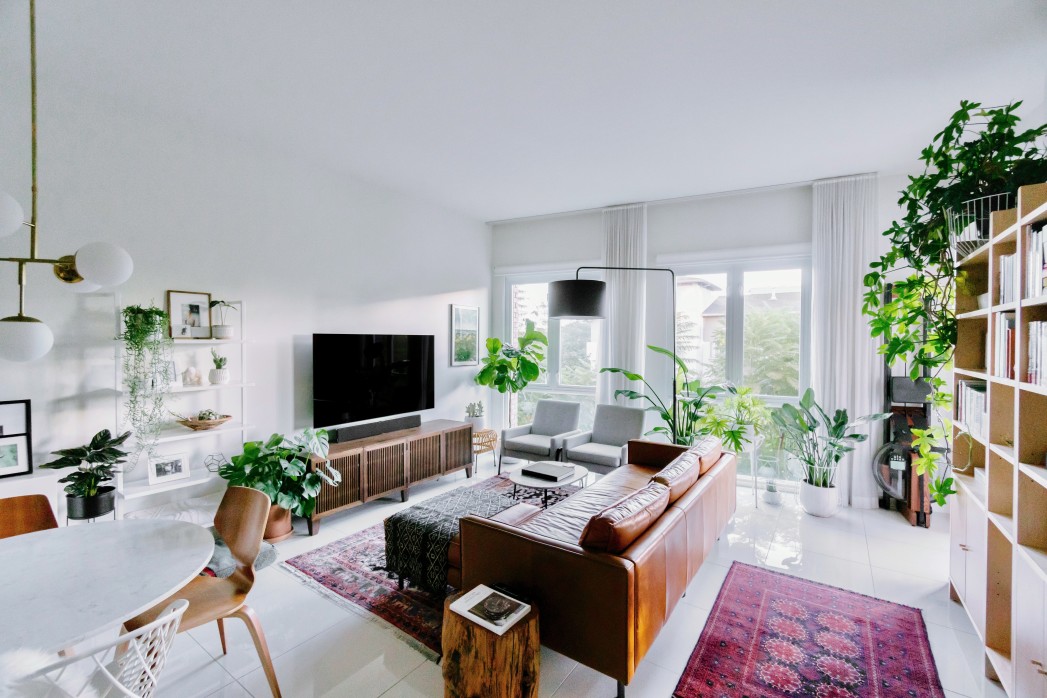
Creating a living space that truly reflects your personality whilst remaining inviting and functional can seem like quite the undertaking, yet with thoughtful choices and a dash of creativity, any room can be elevated into something special. Whether you're contemplating a complete overhaul or simply seeking a fresh perspective on your existing setup, exploring various approaches to interior decoration opens up a world of possibilities. The art of enhancing your home lies in understanding how colours, textures, furniture, and personal items work together to craft an environment that not only looks stunning but also feels like a genuine sanctuary.

Transformative colour schemes and textile choices

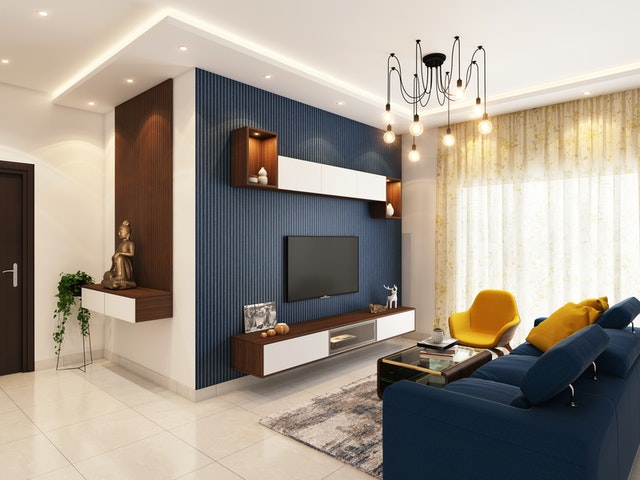
The foundation of any successful interior transformation often begins with the palette you choose to adorn your walls and surfaces. When considering decor ideas that can genuinely invigorate your living room, the impact of colour cannot be overstated. From strong, confident tones that make a bold statement to grounding greens that bring a sense of calm, the spectrum of possibilities is vast. Inky blues offer a sophisticated depth, whilst softer shades can create an airy, tranquil atmosphere. The website offers extensive resources for exploring paint and wallpaper options, categorised by colour and collection, making it easier to visualise how different hues might harmonise with your existing furnishings. Ordering samples, colour cards, and wallpaper swatches allows you to test these choices in your own space before committing, ensuring the final selection complements the natural light streaming through your windows and the overall mood you wish to cultivate.

Embracing Bold Hues and Patterns in Your Lounge

Stepping beyond neutral safety zones can breathe new life into a room that has grown stale or predictable. Incorporating a feature wall, whether through a striking paint colour or an eye-catching wallpaper design, immediately draws the eye and establishes a focal point. For those with sloped or pitched ceilings, wallpaper can be particularly effective in adding character to otherwise overlooked surfaces. The interplay between bold colours and shapes introduces a dynamic energy, whilst the use of curves in furniture or decorative elements softens the overall aesthetic. If you're hesitant about committing to a permanent change, especially in a rental property, paint remains one of the most versatile and renter-friendly decorating tools. A carefully chosen shade can unify disparate elements in a room or create contrast that highlights architectural features. Additionally, the offer to book a colour consultancy provides expert guidance tailored to your specific space, ensuring that your choices are both aesthetically pleasing and practically sound.

Layering Fabrics for Depth and Warmth

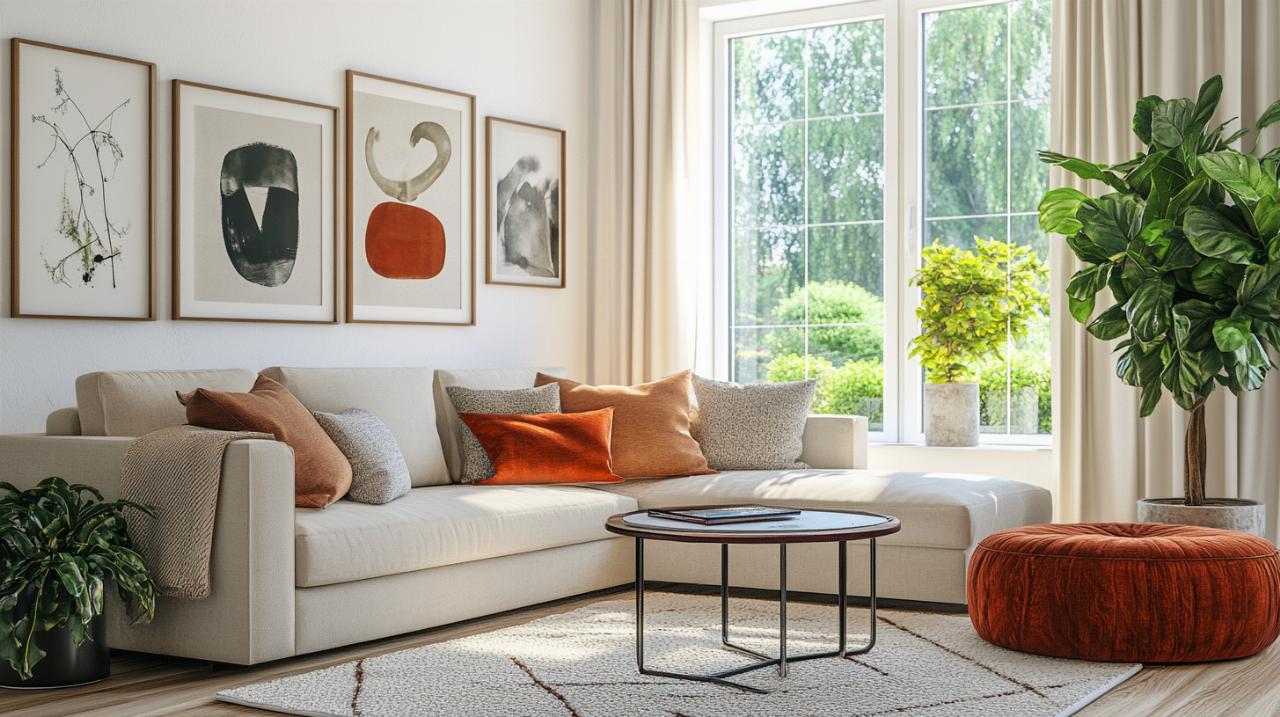
Textiles play an equally vital role in creating a space that feels inviting and comfortable. A colourful rug anchors a seating area and introduces warmth underfoot, whilst also serving as an opportunity to introduce pattern and texture. Choosing a comfy sofa that suits both your lifestyle and the scale of your room is fundamental, and opting for the largest piece that can comfortably fit ensures ample seating without overwhelming the space. Layering fabrics through cushions, throws, and curtains adds depth and visual interest, allowing you to experiment with different materials and weaves. Hanging curtains higher, typically four to six inches above the window frame, creates the illusion of taller ceilings and allows more natural light to flood the room. Natural light is a critical consideration, with a significant majority of people regarding it as paramount when evaluating a home. Controlling this light effectively through window treatments such as made-to-measure blinds or shutters offers flexibility, enabling you to adjust the ambiance throughout the day whilst maintaining privacy and energy efficiency. The company provides a range of options, from Venetian and honeycomb blinds to plantation shutters suited to bay windows, bi-fold doors, and even uniquely shaped openings, all backed by a ten-year warranty and free surveys to ensure a perfect fit.

Curating statement pieces and personal touches
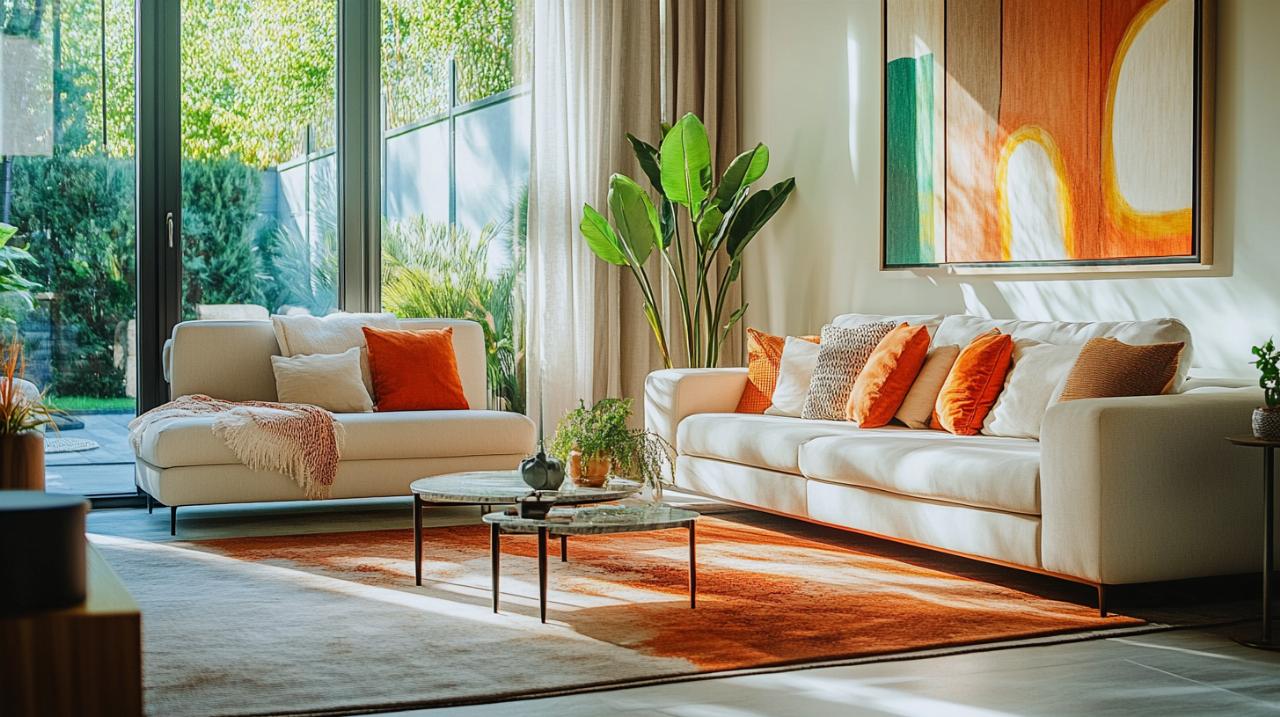
Beyond the foundational elements of colour and fabric, the objects you choose to display and the furniture you select define the character of your living space. The art of curation involves balancing aesthetic appeal with functionality, ensuring that every piece serves a purpose, whether practical or emotional. Mixing traditional and contemporary styles can create a layered, eclectic look that feels both timeless and current, whilst incorporating vintage or second-hand finds adds individuality and often represents excellent value. A well-chosen coffee table becomes more than just a surface for cups and magazines; it can serve as a centrepiece that anchors the room and invites conversation. Similarly, thoughtful storage solutions and shelving not only keep clutter at bay but also provide opportunities to display cherished objects, books, and decorative items in a way that tells your personal story.

Selecting focal point furniture and artwork

Identifying and emphasising a focal point within your living room guides the arrangement of furniture and the flow of the space. For many, the fireplace naturally assumes this role, offering a visual anchor that can be styled with candles, artwork, or seasonal decorations. If your room lacks a traditional focal point, consider creating one through a striking piece of furniture, a large mirror, or a gallery wall of art. Hanging art at the appropriate height and in a thoughtful arrangement adds personality and colour, transforming blank walls into dynamic displays. Mirrors, in particular, are a clever tool for creating the illusion of more space and reflecting light, making smaller rooms feel more open and airy. For those working from home, integrating a dedicated home working station into the living area requires careful planning to maintain the room's relaxed atmosphere whilst providing functionality. This might involve selecting a desk that doubles as a console table or using clever storage to keep work materials out of sight when not needed.

Incorporating cherished objects and greenery

The final layer of personalisation comes from the objects and living elements you introduce into your space. Plants are particularly powerful in this regard, as research suggests they can ease anxiety and encourage happiness, bringing a touch of nature indoors that softens hard edges and improves air quality. Large, statement plants make an immediate impact, whilst smaller varieties can be grouped on shelves or window seats to add life and colour. Similarly, incorporating items with sentimental value, whether family heirlooms, travel souvenirs, or handmade pieces, ensures your living room feels uniquely yours. Adopting floral decor, whether through fresh blooms, botanical prints, or fabric patterns, introduces a romantic and seasonal element that can be easily refreshed. Even unconventional choices, such as decorating with vinyl records or framing scarves as art, add unexpected interest and spark conversation. Picture shelves offer a flexible alternative to traditional hanging, allowing you to layer frames and objects in awkward corners or above furniture. For those drawn to minimalist aesthetics, the challenge lies in selecting only the most meaningful items and ensuring each has space to breathe, whilst those who prefer a maximalist approach can revel in layering textures, colours, and collections. Ultimately, the most inspiring living spaces are those that reflect the lives and passions of their inhabitants, blending practical considerations with creative expression to craft a home that is both beautiful and deeply personal.
Brick Veneer: Advantages and Disadvantages for Your Interior Design Projects and Property Value in the UK

When considering ways to enhance the character and visual appeal of your property, brick veneer emerges as a compelling option that marries traditional charm with modern practicality. This technique has gained considerable traction among homeowners and interior designers across the United Kingdom, offering a cost-effective alternative to full brick construction while delivering a timeless aesthetic. Whether you're planning a complete renovation or simply seeking to add a distinctive accent wall in your living room or kitchen, understanding the nuances of brick veneer can help you make informed decisions that elevate both the style and functionality of your space.

Understanding Brick Veneer: What It Is and Why It Matters for Modern Homes

The Basics of Brick Veneer Construction and Materials

At its core, brick veneer refers to a thin layer of brick material, typically measuring between half an inch and one inch in thickness, applied to the exterior or interior surfaces of a building. Unlike traditional brickwork, which forms the structural backbone of a house, brick veneer serves primarily as a decorative cladding that provides the classic appearance of brick without requiring the same level of structural support. The materials used in its construction are fundamentally similar to those found in standard bricks, with options including clay-based bricks and concrete alternatives. This slim profile makes brick veneer significantly lighter than solid masonry, which in turn reduces the load on the underlying framework and simplifies the installation process.

The construction method for brick veneer involves affixing the thin brick layer to a wall frame, which is typically made of timber or steel. A weather barrier is installed between the frame and the veneer to protect against moisture intrusion, while an air gap is maintained to allow for ventilation. This gap plays a crucial role in preventing condensation and ensuring that any moisture that does penetrate the outer layer can escape, thereby safeguarding the integrity of the building's interior structure. The veneer is anchored to the frame using metal ties or clips, which hold the bricks securely in place without relying on them to bear any of the building's weight. This design flexibility allows for creative applications in various parts of the home, from dramatic accent walls in the living room to rustic fireplace cladding that serves as a focal point.

How brick veneer differs from traditional solid wall building methods

The distinction between brick veneer and traditional solid brick construction is both structural and practical. In a double brick or solid brick system, two layers of load-bearing bricks are erected with a cavity in between, creating a wall that directly supports the weight of the roof and upper floors. This method has been a staple of British and Australian construction for decades, valued for its robustness and longevity. However, it demands a substantial investment in materials and labour, as each brick must be carefully laid and mortared to ensure structural soundness. The resulting walls are thick, heavy, and require deep foundations to support the considerable weight.

By contrast, brick veneer relies on an internal frame, usually constructed from timber or steel, to bear the load of the building. The veneer itself is non-structural, meaning it contributes to the aesthetic and protective qualities of the house without shouldering any of its weight. This fundamental difference translates into several practical advantages. For one, the reduced material requirements make brick veneer a more affordable option, with costs often falling well below those associated with double brick construction. The lighter weight also simplifies the building process, allowing for quicker installation and less strain on the foundation. Additionally, the cavity between the veneer and the frame can be filled with insulation, enhancing the thermal performance of the property and contributing to improved energy efficiency. This makes brick veneer particularly appealing for modern homes where sustainability and cost-effectiveness are key priorities.

Key Advantages of Brick Veneer for Interior Design and Property Enhancement

Thermal and Acoustic Insulation Benefits for Your House

One of the standout advantages of brick veneer is its capacity to improve the thermal and acoustic insulation of your home. The air gap between the veneer and the wall frame acts as an additional barrier against heat transfer, helping to regulate indoor temperatures throughout the year. During the colder months, this cavity can be filled with insulating materials such as mineral wool or foam, which work in tandem with the air gap to keep warmth inside the house. Conversely, in warmer weather, the ventilation provided by the gap helps to dissipate excess heat, reducing the reliance on air conditioning and lowering energy bills. This dual functionality makes brick veneer an excellent choice for properties in regions with variable climates, where effective insulation is essential for maintaining comfort and reducing heating costs.

Beyond thermal performance, brick veneer also contributes to soundproofing, though it may not match the acoustic insulation provided by double brick walls. The mass of the brick layer, combined with the air gap and any additional insulation, helps to dampen external noise, creating a quieter indoor environment. This can be particularly beneficial in urban settings or homes located near busy roads, where unwanted sound can be a persistent issue. For homeowners looking to enhance the tranquillity of their living spaces, incorporating brick veneer into the design of key rooms such as bedrooms or home offices can make a noticeable difference. The combination of improved thermal and acoustic insulation not only enhances comfort but also adds tangible value to the property, making it more attractive to potential buyers.

Aesthetic Appeal and Style Versatility Across Living Rooms, Kitchens, and Bathrooms

The aesthetic versatility of brick veneer is another compelling reason for its popularity in interior design. Available in a wide range of styles, colours, and textures, brick veneer can be tailored to suit virtually any design vision, from rustic farmhouse charm to sleek industrial chic. Natural brick veneer, which is cut from genuine bricks, offers an authentic look with the characteristic variations in colour and texture that come from traditional firing processes. Manufactured veneer, on the other hand, is crafted from lighter materials and can be engineered to mimic specific styles or finishes, providing even greater design flexibility. This diversity allows homeowners to create bespoke accent walls in the living room, add warmth to a kitchen backsplash, or introduce a touch of timeless elegance to a bathroom without committing to the expense and complexity of full brick construction.

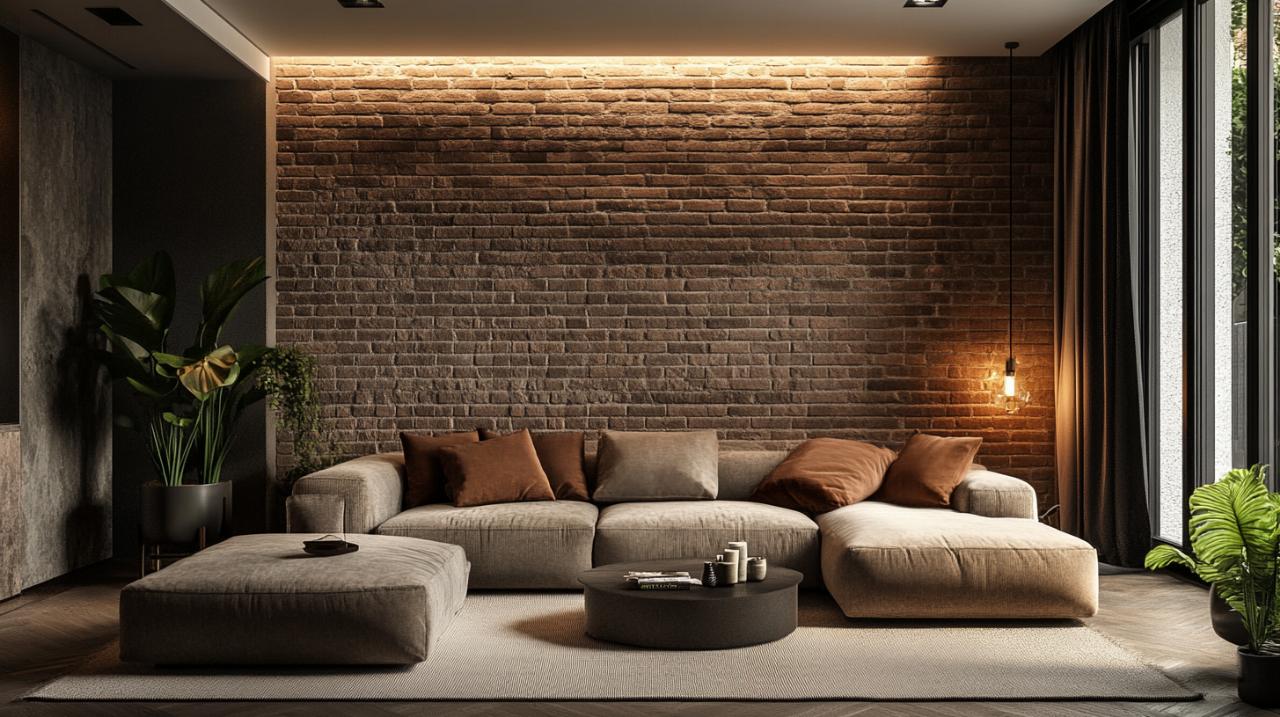
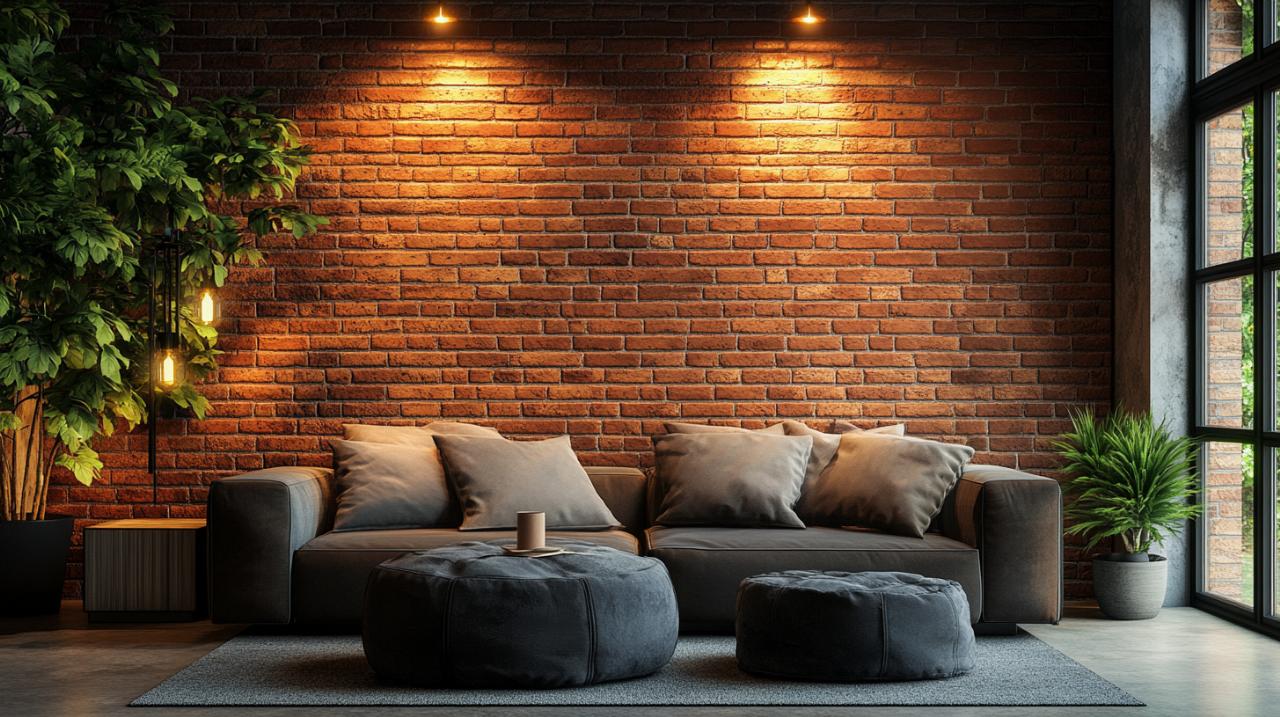
In the living room, a brick veneer feature wall can serve as a striking backdrop for a fireplace or entertainment centre, drawing the eye and adding depth to the space. The natural tones of the brick complement a variety of colour schemes, from muted neutrals to bold, vibrant hues, making it a versatile choice for both modern and traditional interiors. In the kitchen, brick veneer can be used to clad an island or to create a distinctive backsplash that brings texture and character to the heart of the home. The material's durability and resistance to staining mean that it requires minimal maintenance, allowing you to enjoy its aesthetic appeal without the constant upkeep associated with other finishes. Even in bathrooms, where moisture levels are higher, properly sealed brick veneer can add a unique, spa-like ambience, transforming an ordinary space into a stylish retreat. The fact that brick veneer does not require painting and can last for decades with proper care further enhances its appeal, offering long-term value and enduring style.

Potential disadvantages and considerations when installing brick veneer

Installation Challenges and Renovation Requirements for Wood-Framed Properties

Despite its many advantages, brick veneer is not without its challenges, particularly when it comes to installation. For those new to the technique, achieving a professional finish can prove tricky, as the process demands precision and an understanding of both structural and aesthetic considerations. Uneven brick placement, inconsistent mortar joints, and improper anchoring are common pitfalls that can undermine the visual appeal and structural integrity of the veneer. Ensuring that the bricks are securely fastened to the underlying frame requires careful attention to detail, as any weakness in the anchoring system can lead to sagging or even detachment over time. For wood-framed properties, which are common in many parts of the UK and Australia, additional precautions must be taken to protect the timber from moisture damage. If the weather barrier is not correctly installed, or if drainage is inadequate, water can seep into the cavity and cause rot or mould, compromising the structural integrity of the frame.

Renovations involving brick veneer can also present unique challenges, particularly if the existing wall structure needs to be modified to accommodate the veneer. Preparing the wall surface, ensuring adequate support, and integrating the veneer with existing architectural features all require careful planning and, often, the expertise of a qualified tradesperson. In older properties, where the original construction may not have been designed with veneer in mind, retrofitting can be both time-consuming and costly. Additionally, if the veneer is to be used in conjunction with insulation upgrades or other energy efficiency measures, coordinating these improvements with the installation of the brick layer requires a holistic approach to design and construction. Homeowners considering brick veneer for a renovation project should be prepared to invest in professional advice and skilled labour to ensure that the work is carried out to a high standard and that the finished result meets both aesthetic and performance expectations.

Heat Retention, Maintenance, and Long-Term Performance in Different Room Types

Another consideration when opting for brick veneer is its impact on heat retention and the ongoing maintenance required to preserve its appearance and functionality. While the air gap and insulation within the cavity can enhance thermal performance, the brick veneer itself can also absorb and retain heat, particularly in south-facing rooms or spaces with large windows. During the summer months, this heat retention can contribute to warmer indoor temperatures, potentially increasing the demand for cooling and raising energy costs. In bathrooms and kitchens, where humidity and temperature fluctuations are more pronounced, the behaviour of brick veneer must be carefully managed to prevent issues such as condensation or moisture build-up. Proper ventilation, including the installation of weep holes that allow trapped moisture to escape, is essential to maintaining the long-term performance of the veneer in these environments.

Maintenance, while generally minimal, is nonetheless an important aspect of owning a brick veneer property. The mortar joints that bind the individual bricks together require annual inspection and, where necessary, repointing to prevent deterioration. Over time, exposure to the elements can cause the mortar to crack or crumble, allowing water to penetrate the veneer and potentially damage the underlying structure. Cleaning the veneer involves using a mild detergent and a soft brush, taking care to avoid high-pressure washing, which can erode the mortar and damage the brick surface. Additionally, clearing the weep holes of any debris ensures that the drainage system functions correctly, preventing moisture from becoming trapped within the cavity. With diligent care and regular maintenance, high-quality brick veneer can last fifty years or more, delivering enduring value and aesthetic appeal. However, homeowners must be prepared to commit to this upkeep in order to safeguard their investment and ensure that the veneer continues to perform as intended across different room types, from the cosy warmth of a living room to the practical demands of a busy kitchen or bathroom.

Architect office in Antibes: How can you change the look of your interior design to become more modern?

If you are to improve the look of your interior design and don’t know how to go about it, hire an architect to help you change the look of your interior to have a more modern and classy appearance. At the AAC workshop, you can find specialists who will help you achieve this goal. The Atelier Architecture Croisette (AAC) is an Architect office in Antibes that deals with construction and renovation of interior design giving it a modern look. With our team of professional and highly qualified architects and decorators, the end product of our work will be client satisfaction. We will take care of everything be it the renovation or design to the completion of the project. Our specialists’ team will give you advice on what works best for you depending on what kind of desires you have. With several years of experience, we pay keen attention to detail to provide the best results and get our work done right on schedule.

What role does an architect play when it comes to interior design?

Interior designing can be quite challenging. If you attempted improving your interior design and found it difficult, then you can choose to hire the services of an architect. With architects, they are professionally trained on how to create designs and decorate your house to improve its look, bringing out a classy touch of modernity. Architects have a vast knowledge of interior design and can suggest various designs to you for you to choose the one that works well with you. Alternatively, you tell them your desires and they work with you to ensure that you get satisfied with the results. Being up-to-date with the latest designs and decorations, hiring the services of an architect can prove to be worth it.

What kind of interior designs do architects work on?

With interior design at a workplace, villa, or apartment, choosing how to improve the look can be challenging at times. An architect deals with all kinds of interior designs, be it at the workplace, at your home, or even at a villa. They are experienced in designing and decoration, thus you can hire their services confidently as they will work to satisfy your desires. You should be careful though to choose architects who are highly qualified and experienced to receive professional services and be pleased with the results.

Conclusion

With the help of an architect, you will change your interior from a traditional look to either adding a touch of modernity or even change everything to give it that modern and classy look. At AAC, we will fulfill your desires by bringing out the kind of look you desire. You can visit our offices based in Antibes and our team will be ready for you and to listen to what you want. We will also be very willing to work with you from the start of the project to the very end. Alternatively, you can contact us and you will find a team ready to respond. We work at Antibes and all over French Riviera.

Tips and Advice: How to Home-Stage Your House Correctly to Sell It


If you find it challenging to house stage your house correctly to sell it, you need not worry since we have compiled a list of things to help you do so below.


The Guide: Tips to Home-Stage Your House Effectively to Sell it


Clean The House

Firstly, you need to clean the house, else, it will become a complication to proceed with the house staging. When a client comes to see your home, they need to see it clean, and tidy. Therefore, you need to clean the house thoroughly, remove all grease in the kitchen, clean the windows, ensure your garden is looking fabulous, and ensure the house is not messy.

Add Scented Candles

When a client will enter your house, you need to ensure the house is not smelling food, cat litter box, etc. To avoid such issues, you need to place some scented candles as this will reduce any bad odor.

Centre all Bed with the Windows

You need to place all your beds in the center of the windows in all bedrooms. This is an excellent technique to make a bedroom look bigger.

Additionally, you can add fluffy cushions and rugs as an add on inside your bedroom; this will add a luxury look.

Tidy and Put Everything to its Place

You imperatively need to tidy and put everything to its place. From the kitchen sink, dishwasher, laundry baskets, to your closet, and garden, everything needs to be tidy.

Remove Unnecessary Items

It’s essential to remove all unnecessary items such as shampoos, shaving cream, pasta on the kitchen table, dirty kitchen sponge, towels, and so on.

Place Your Furniture Properly

It’s incredibly essential to place all your furniture in the correct place. For instance, all chairs need to be pushed to the tables, the sofa set needs to be aligned properly, or floor lamps need to be placed in a corner.